














Filters
A kurti that fits and falls correctly is one of the most useful pieces in an Indian woman's wardrobe. Not because it's traditional — because it works across more occasions than almost any other garment without requiring a change of outfit or a second thought. Office on Monday, family visit on Sunday, casual outing in between — the same kurti handles all three.
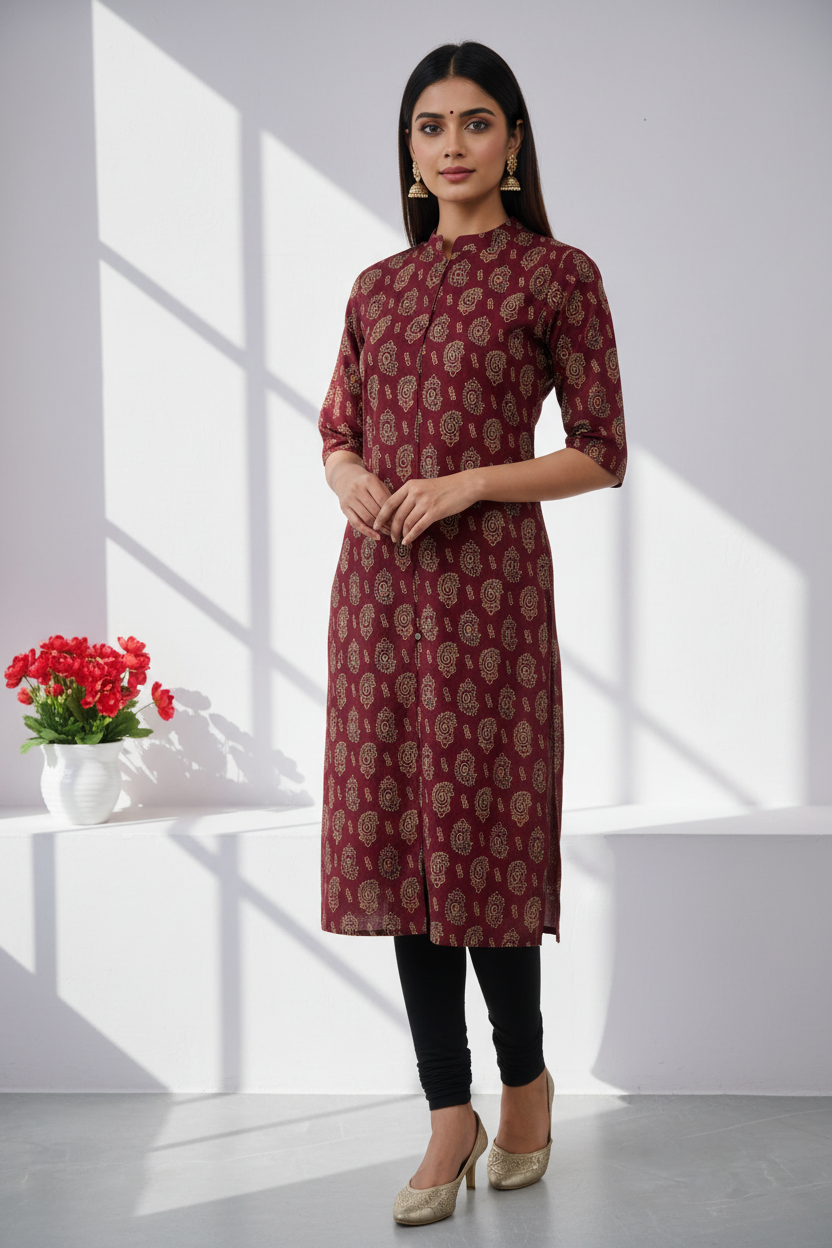
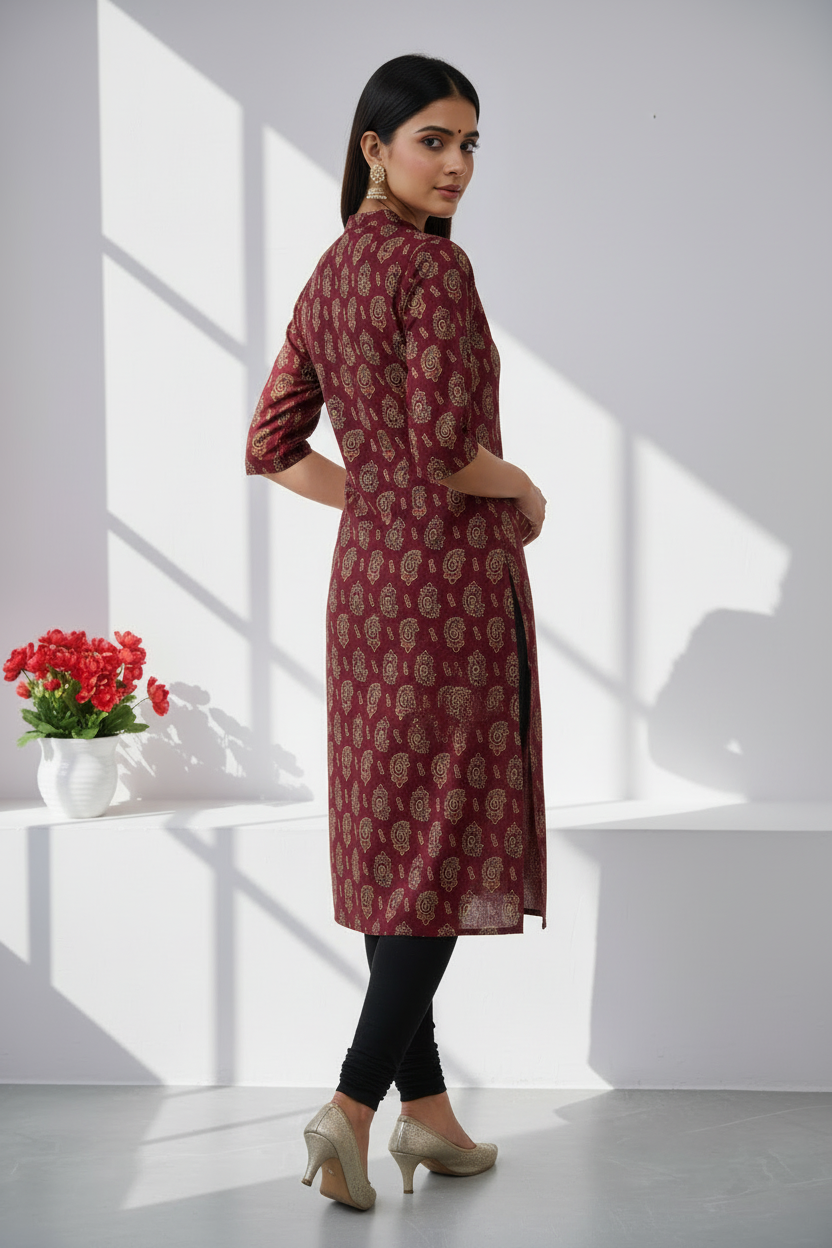
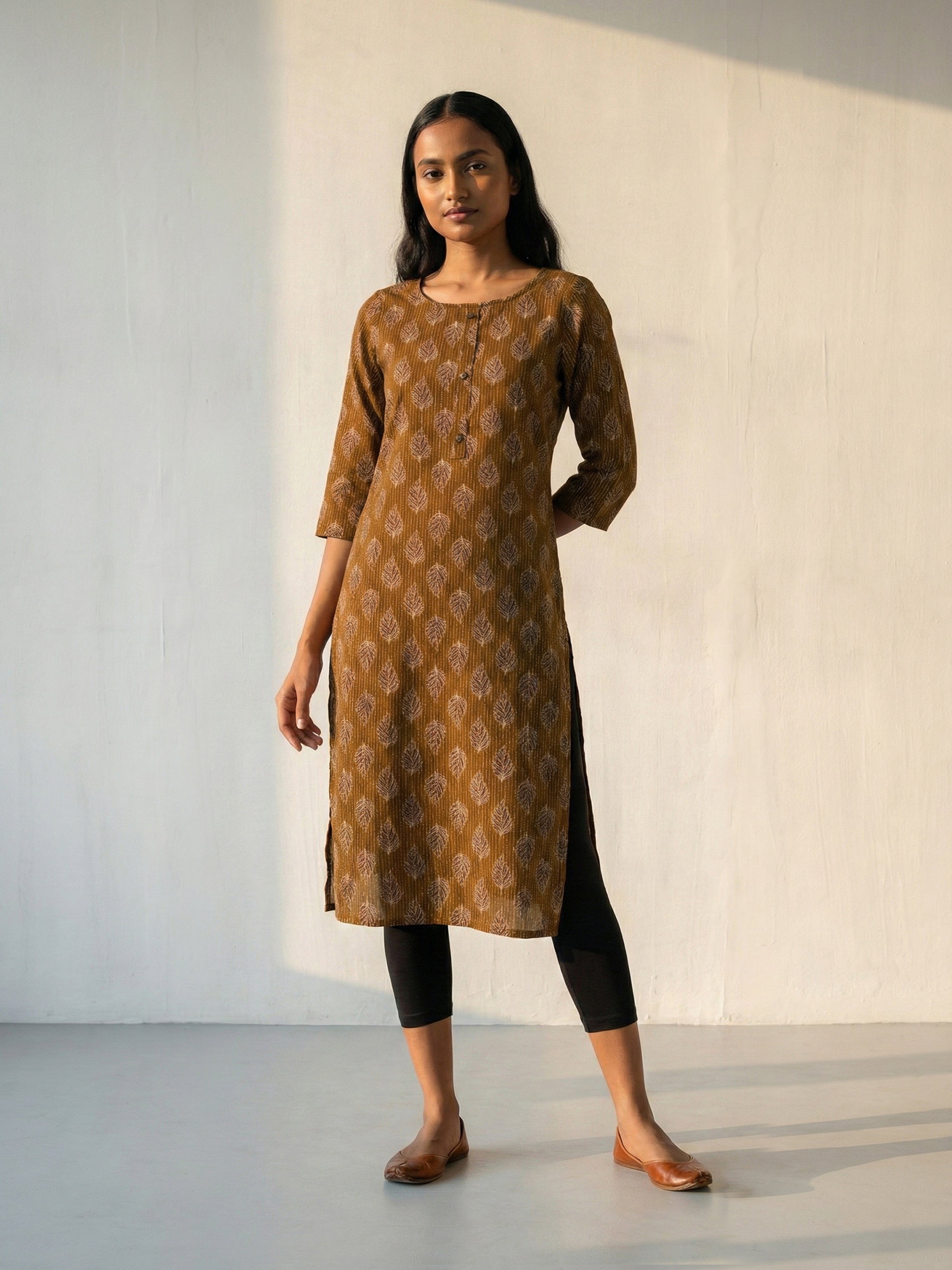
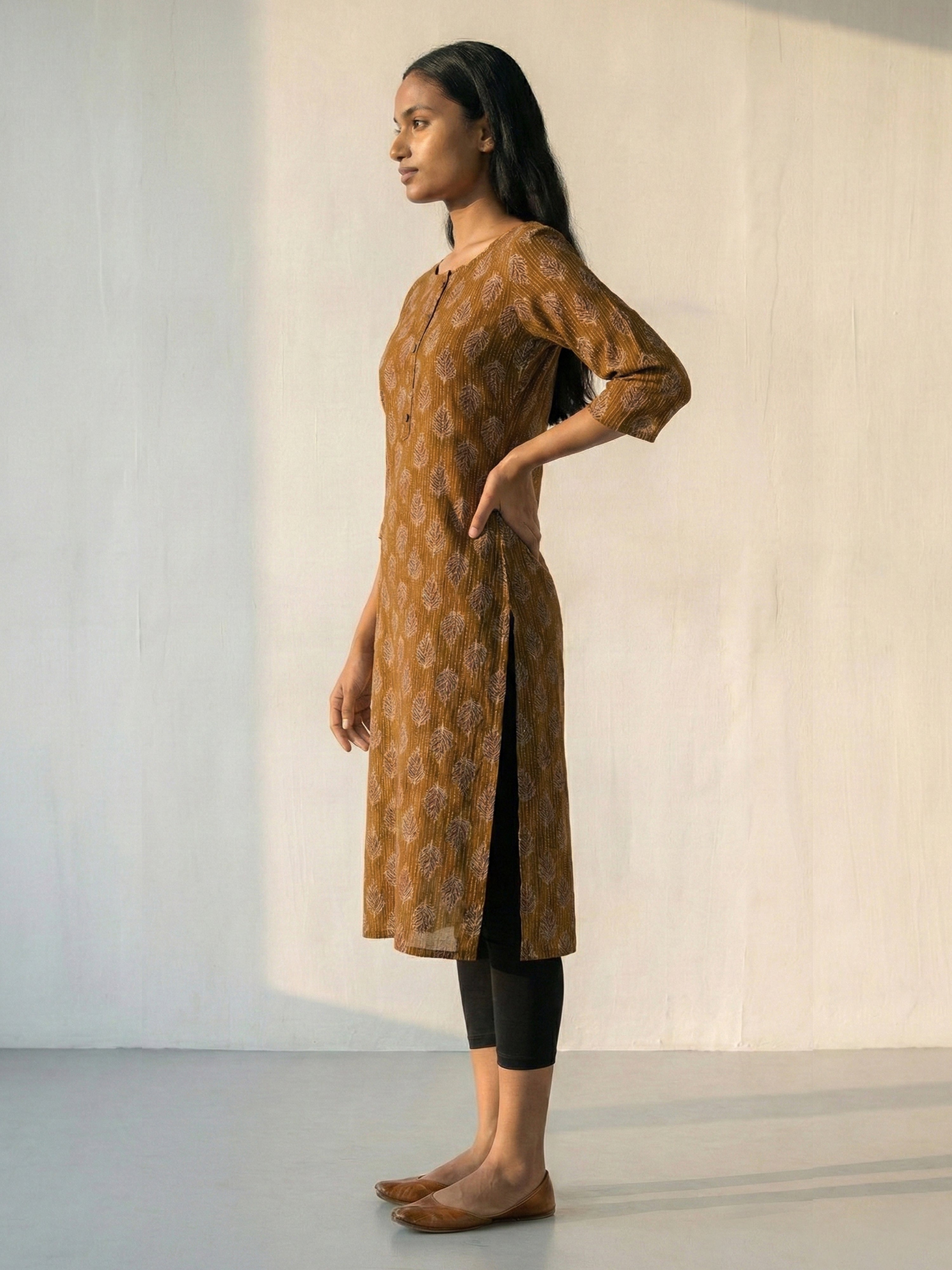
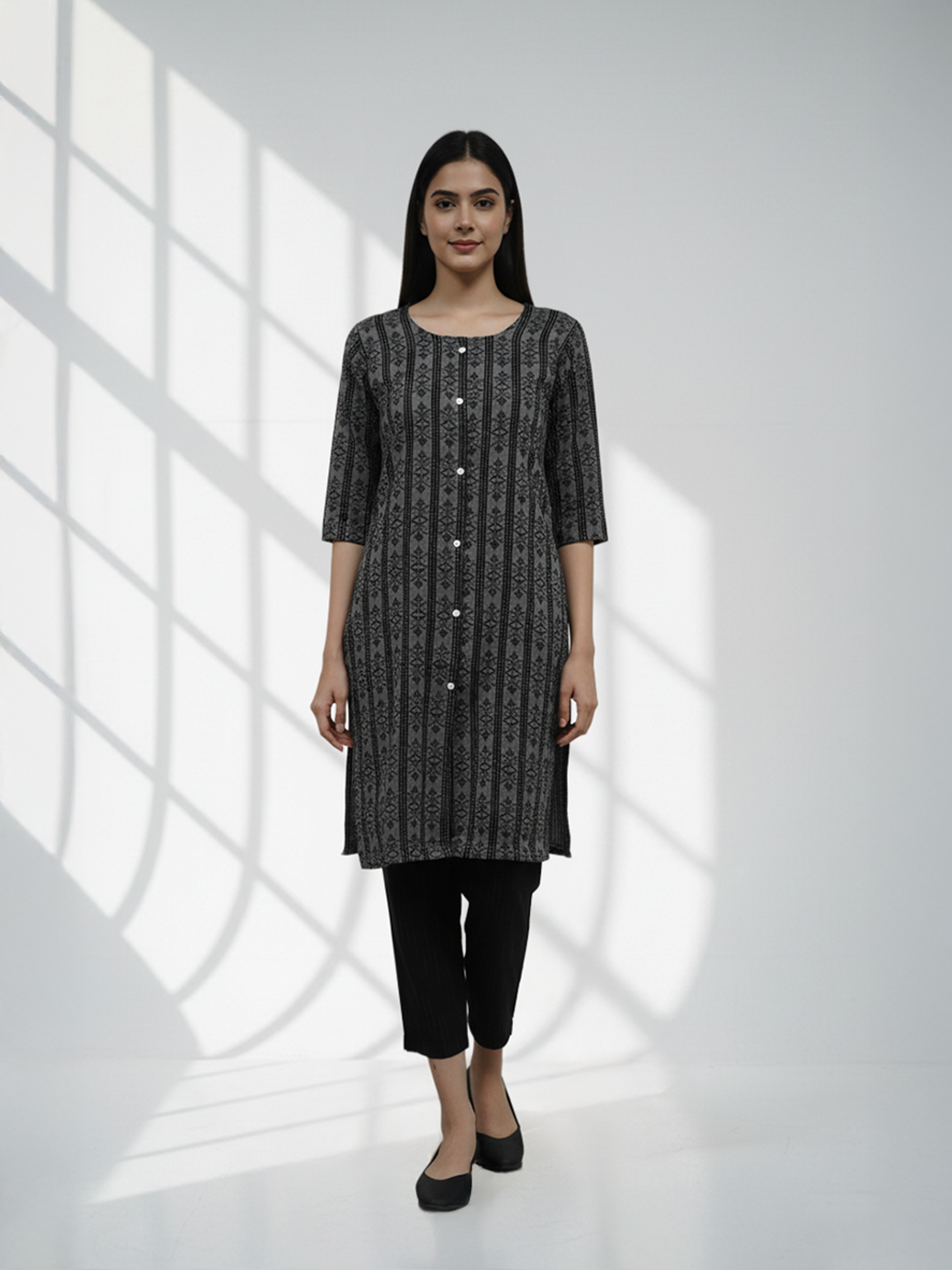
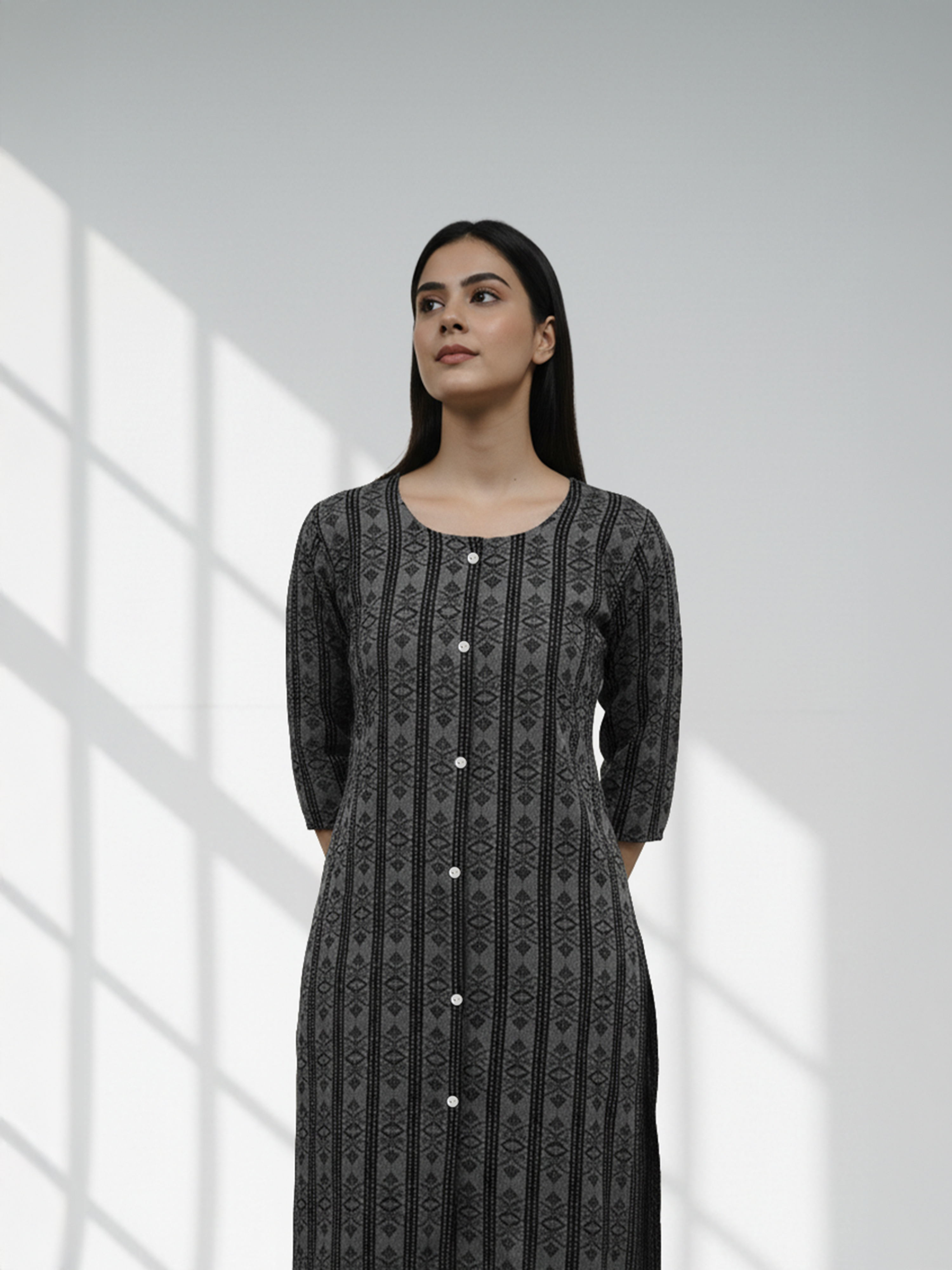
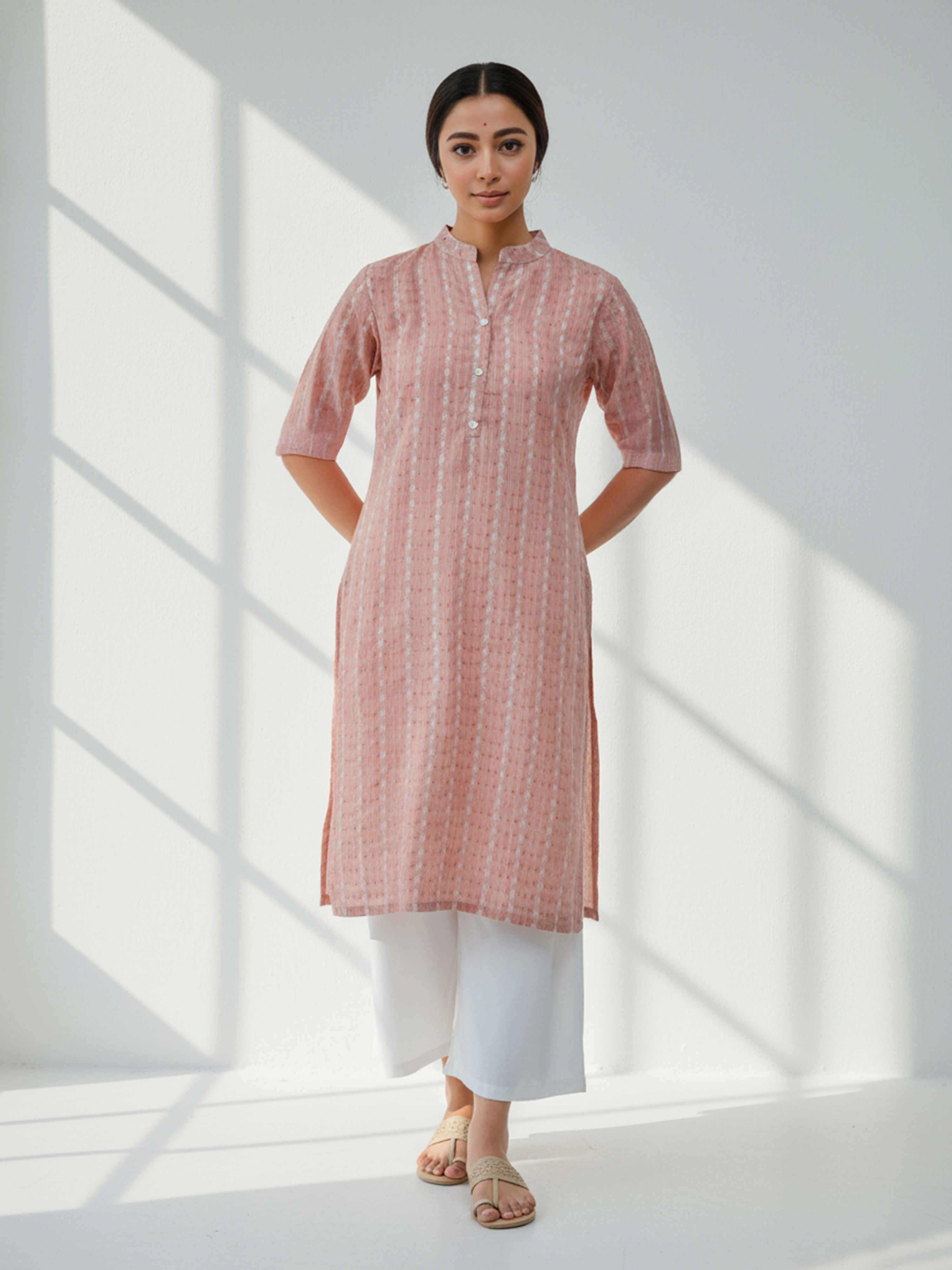
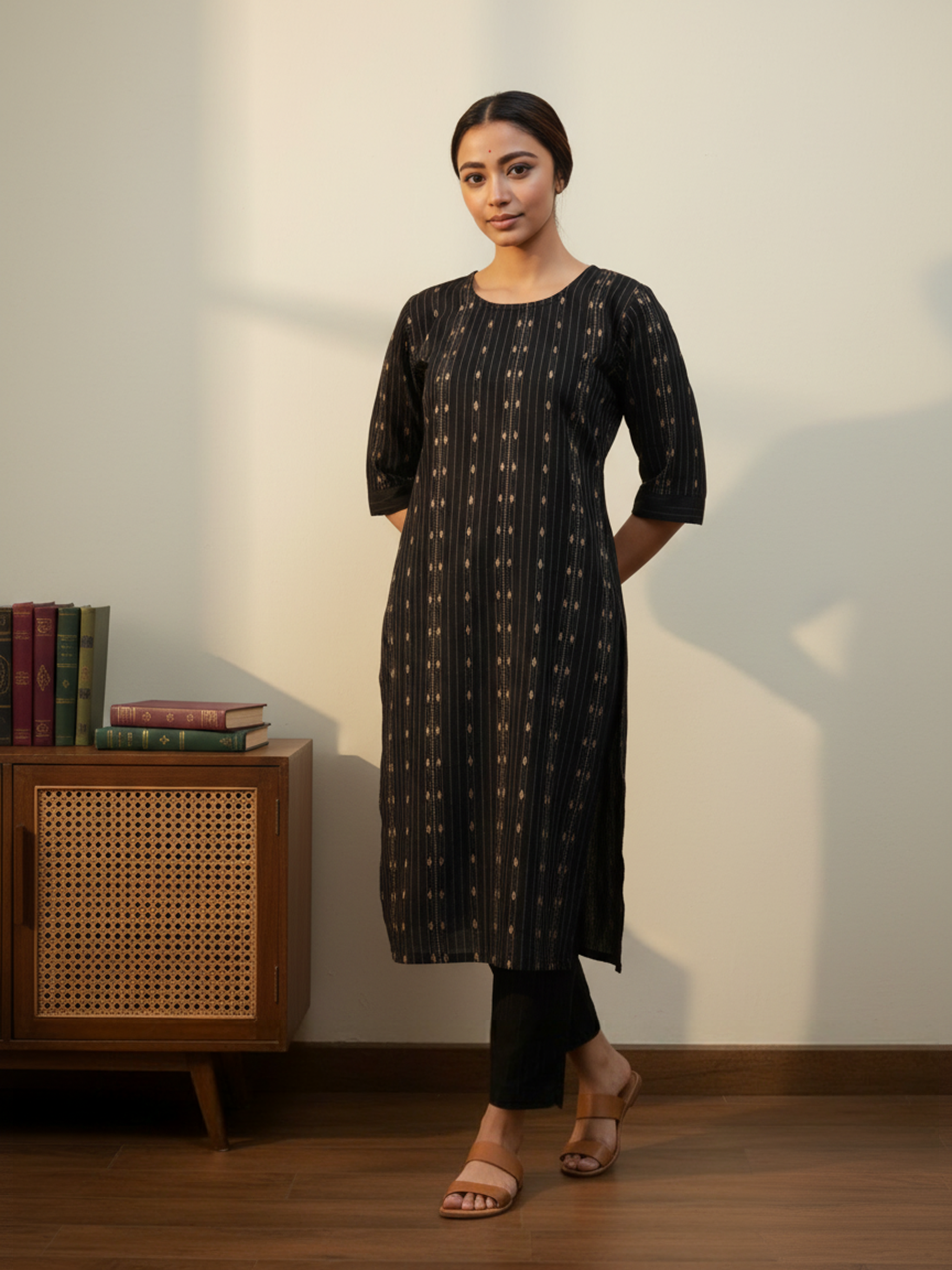
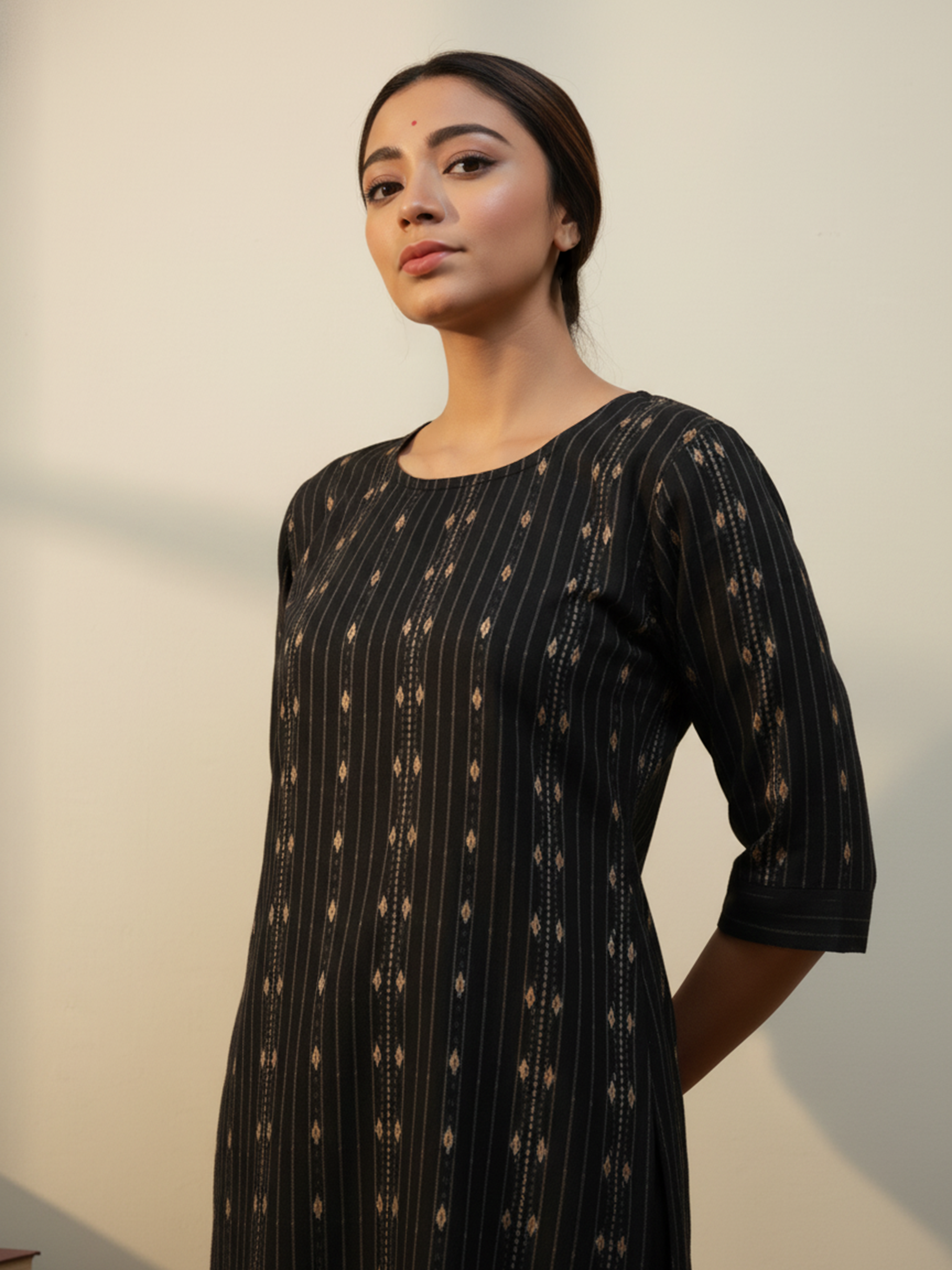
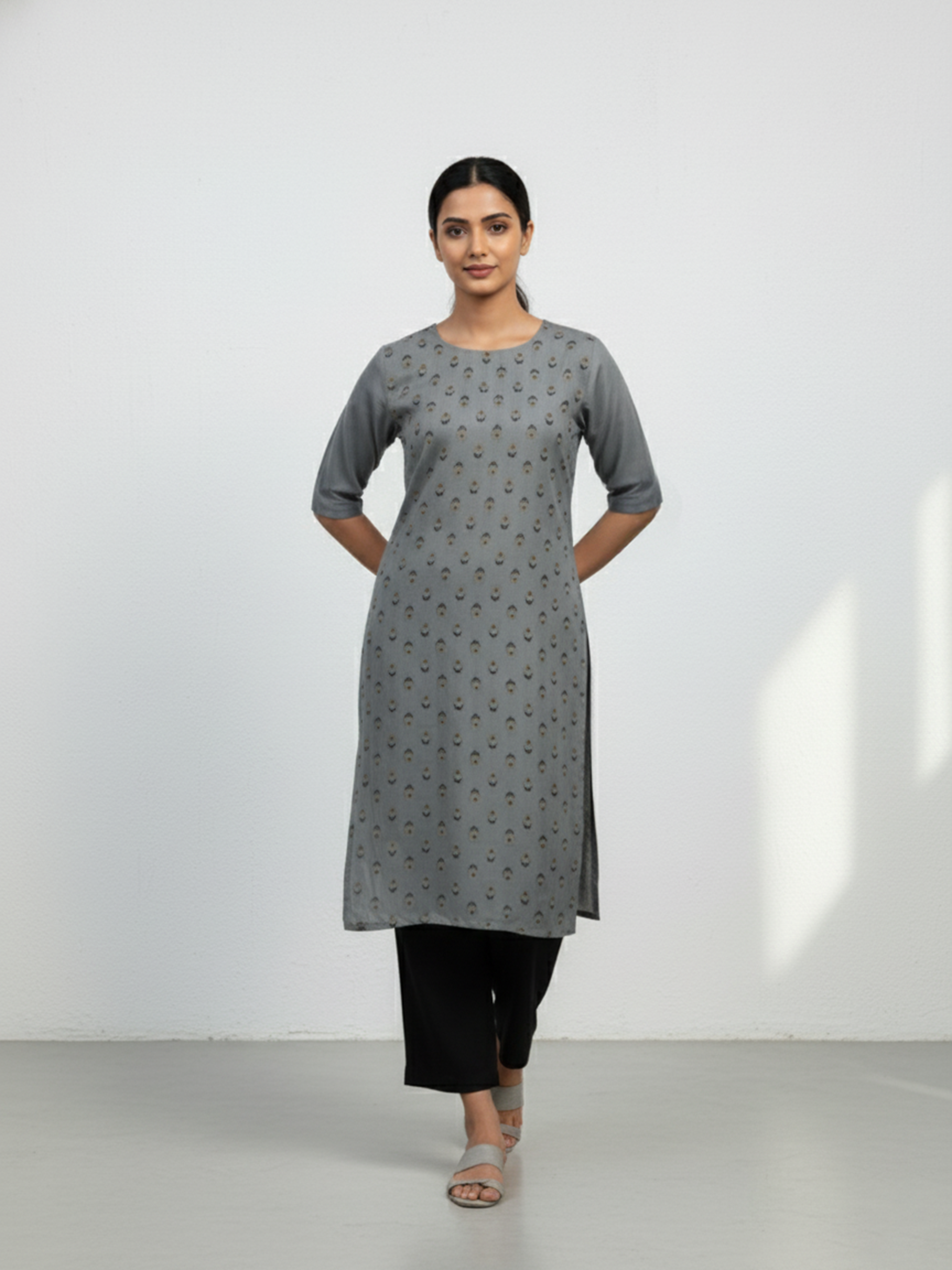
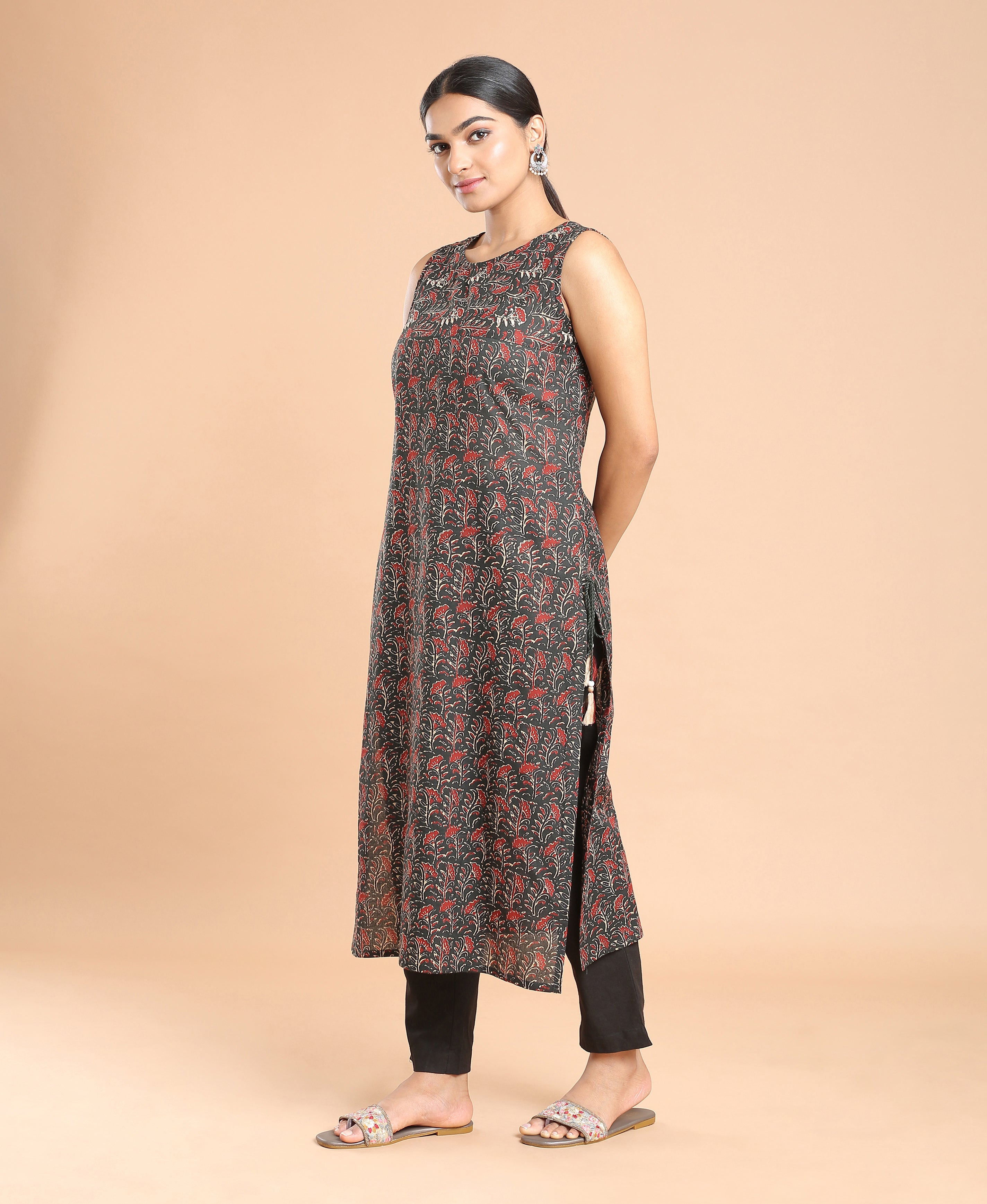
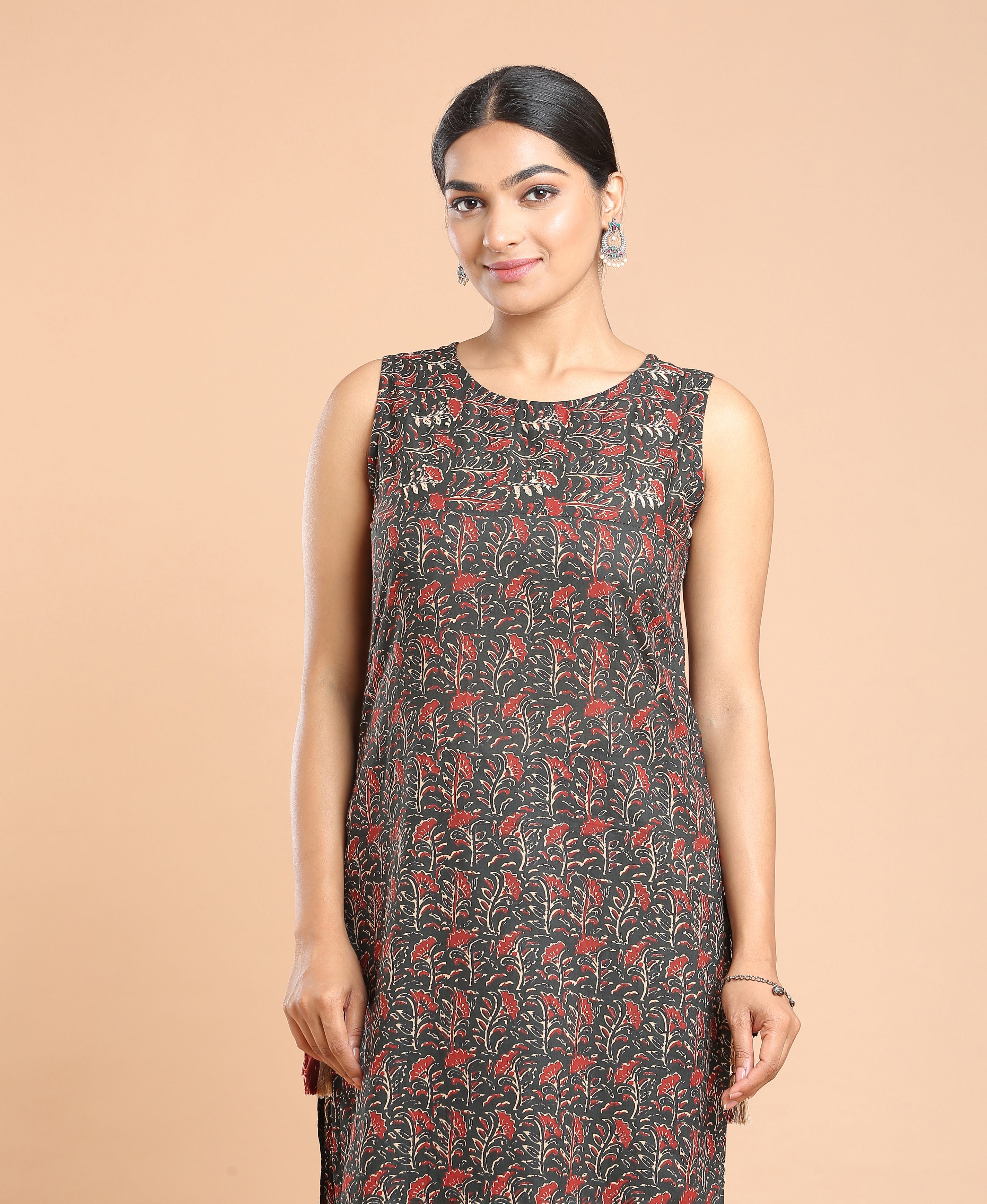
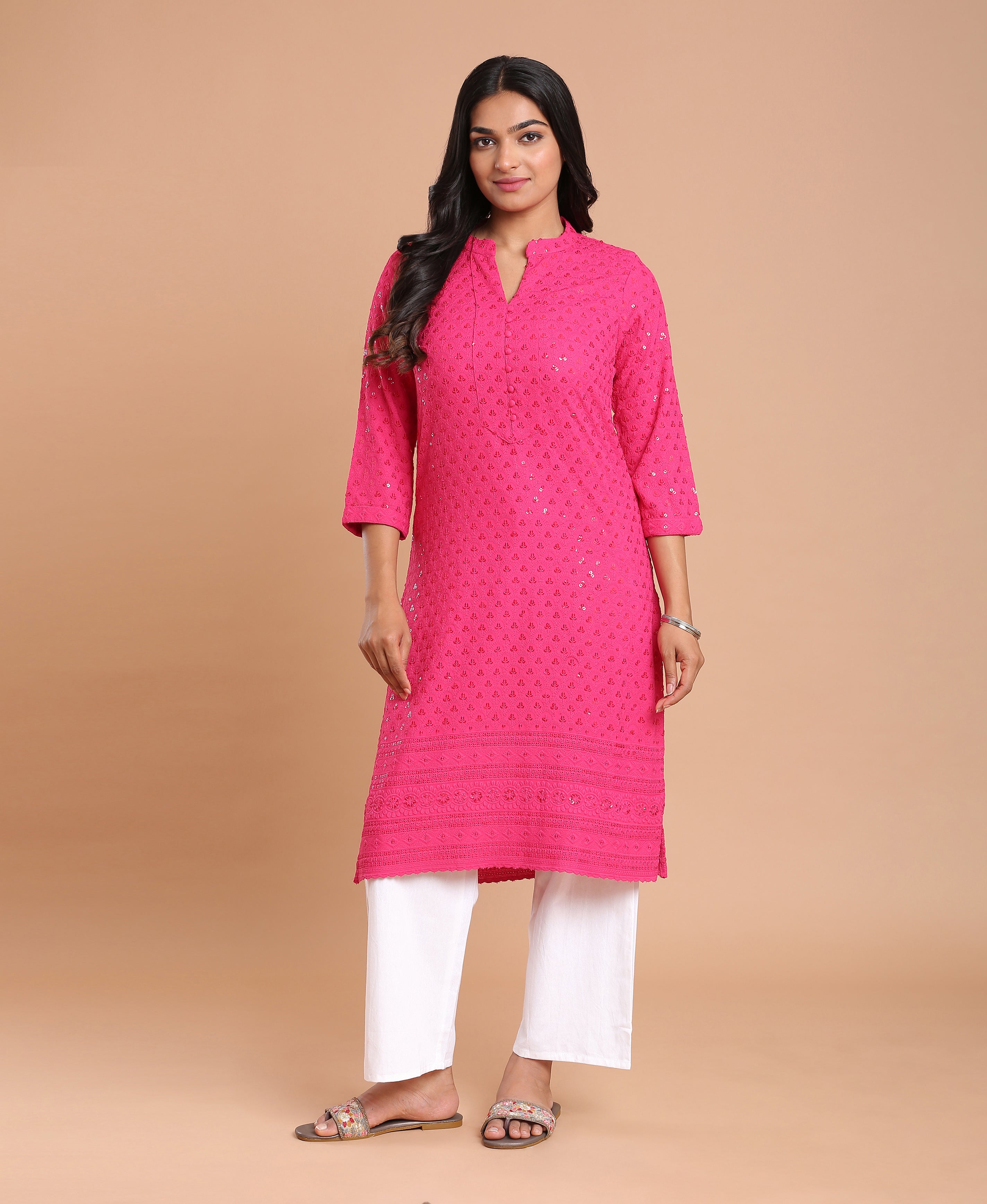
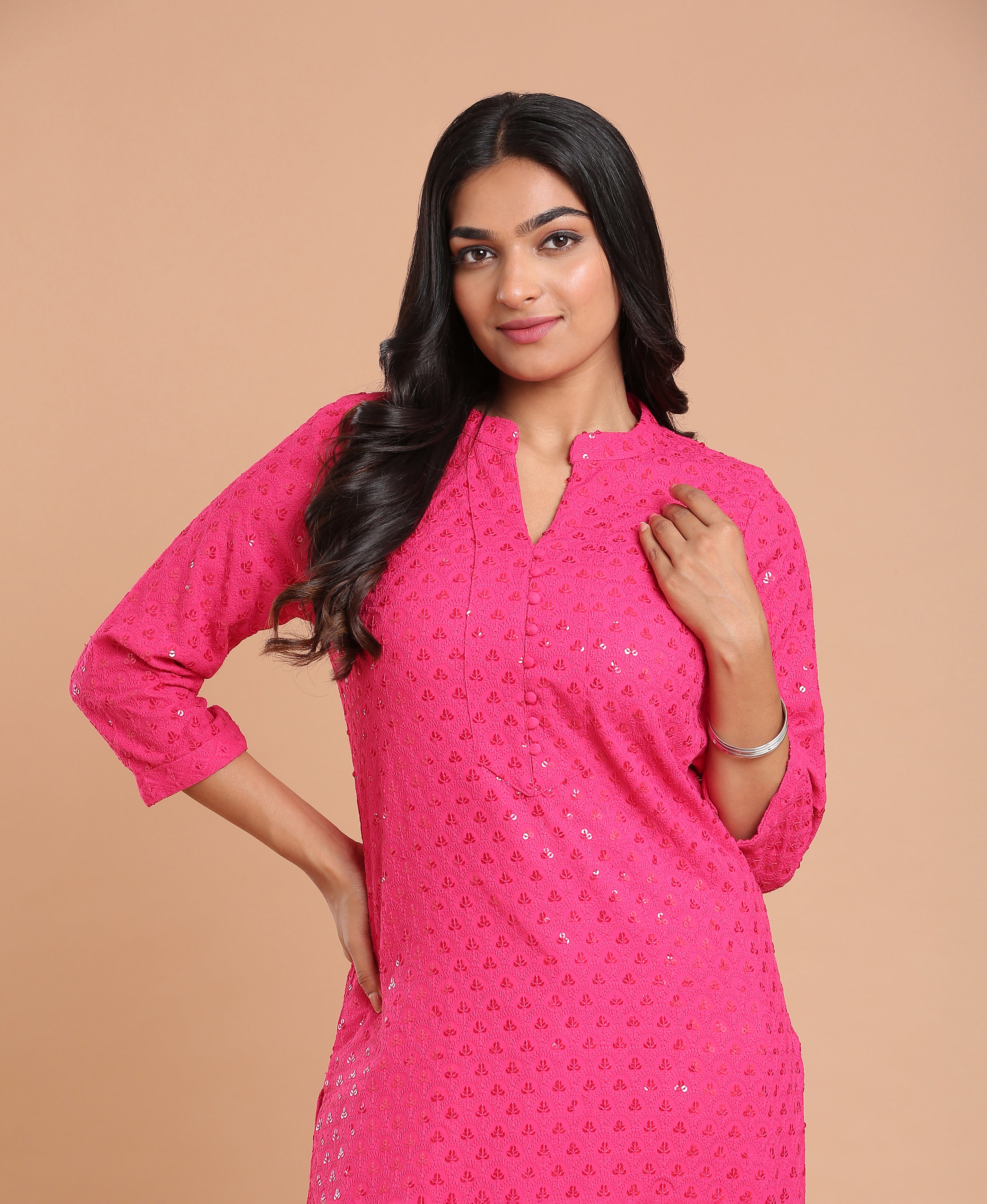
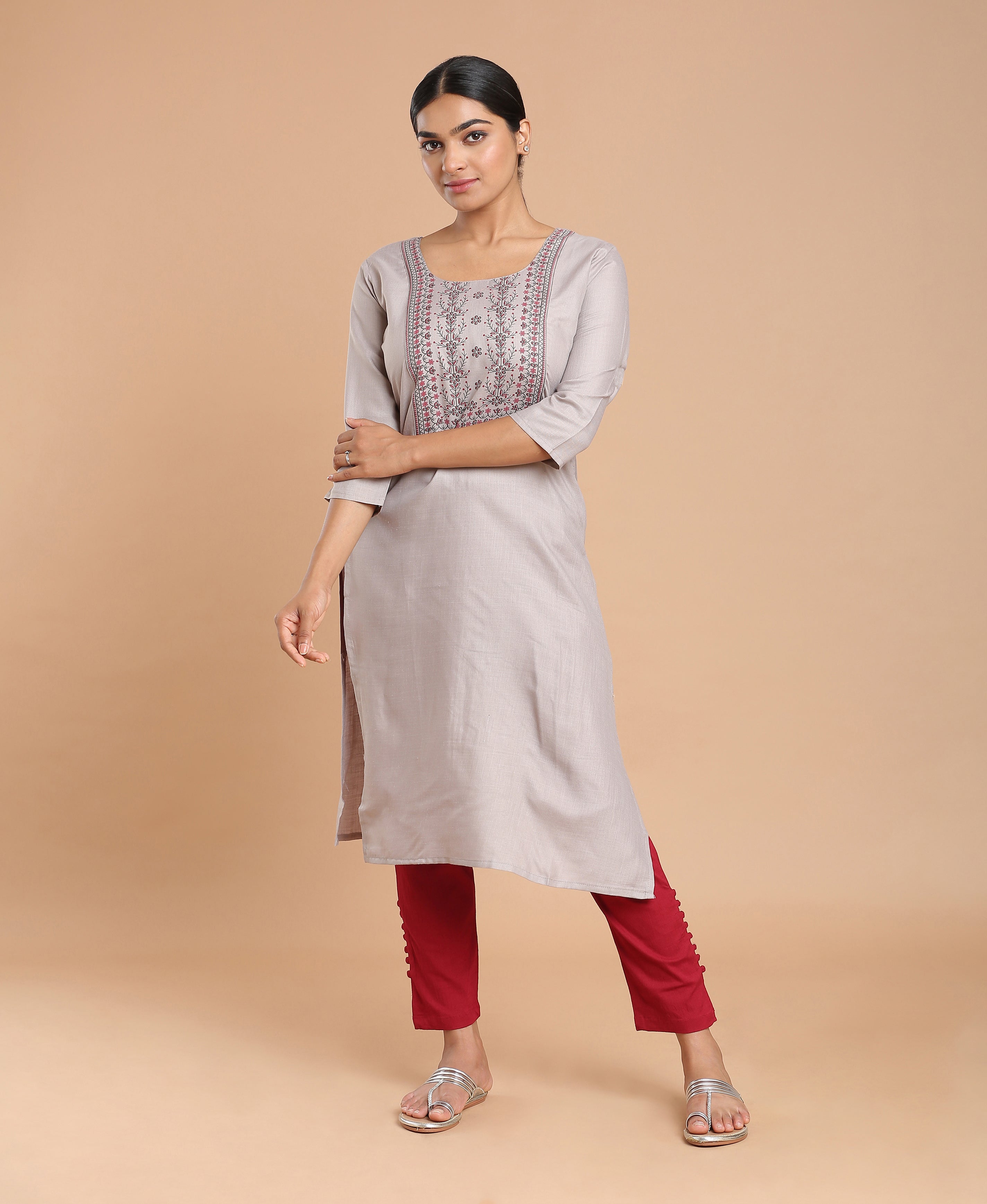
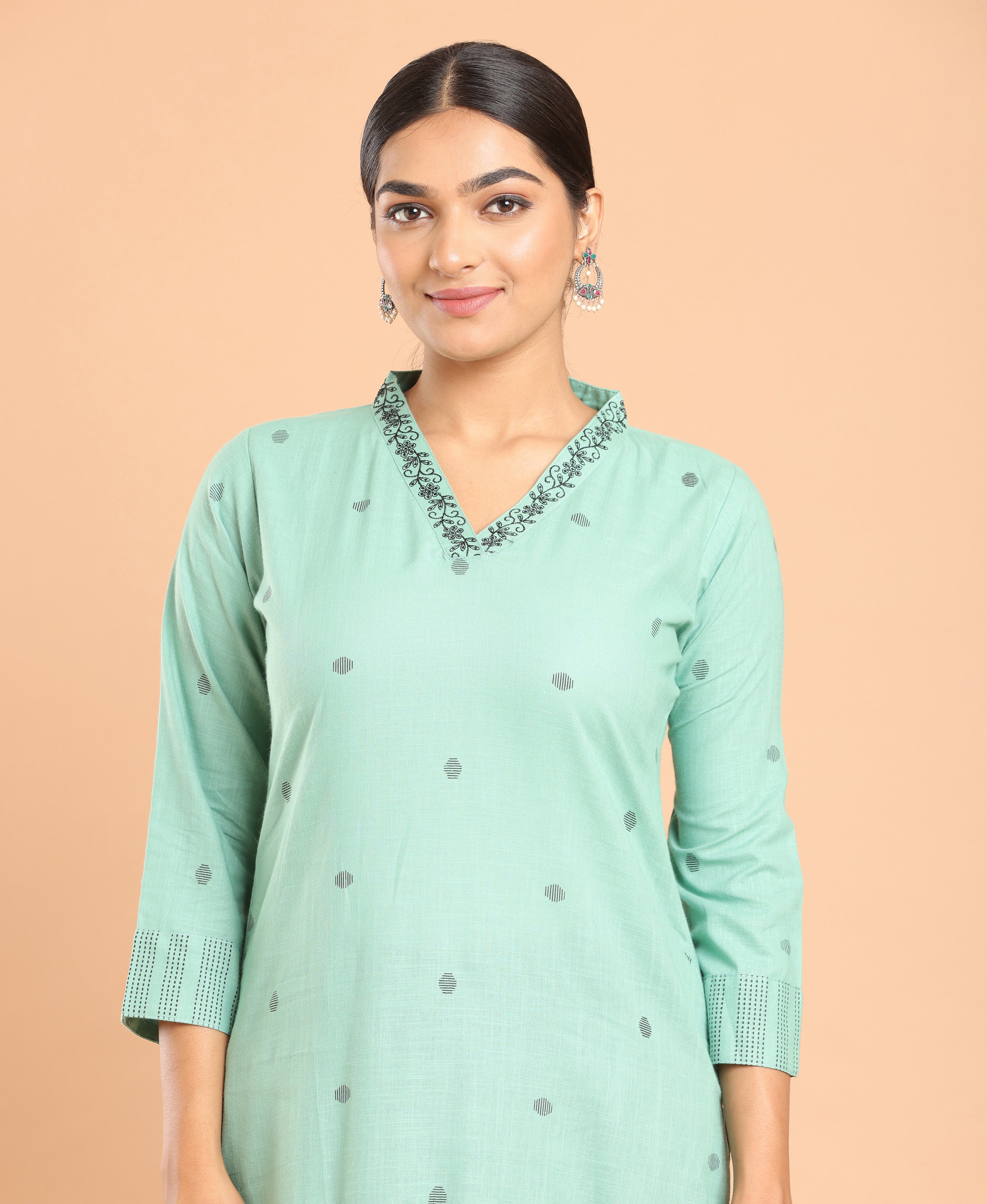
Fazyo's kurti range covers straight cut, A-line, and princess cut silhouettes in cotton, rayon, dobby cotton, hakoba cotton, and slub cotton — with solids, prints, ikat, ajrakh, and floral patterns across the collection.
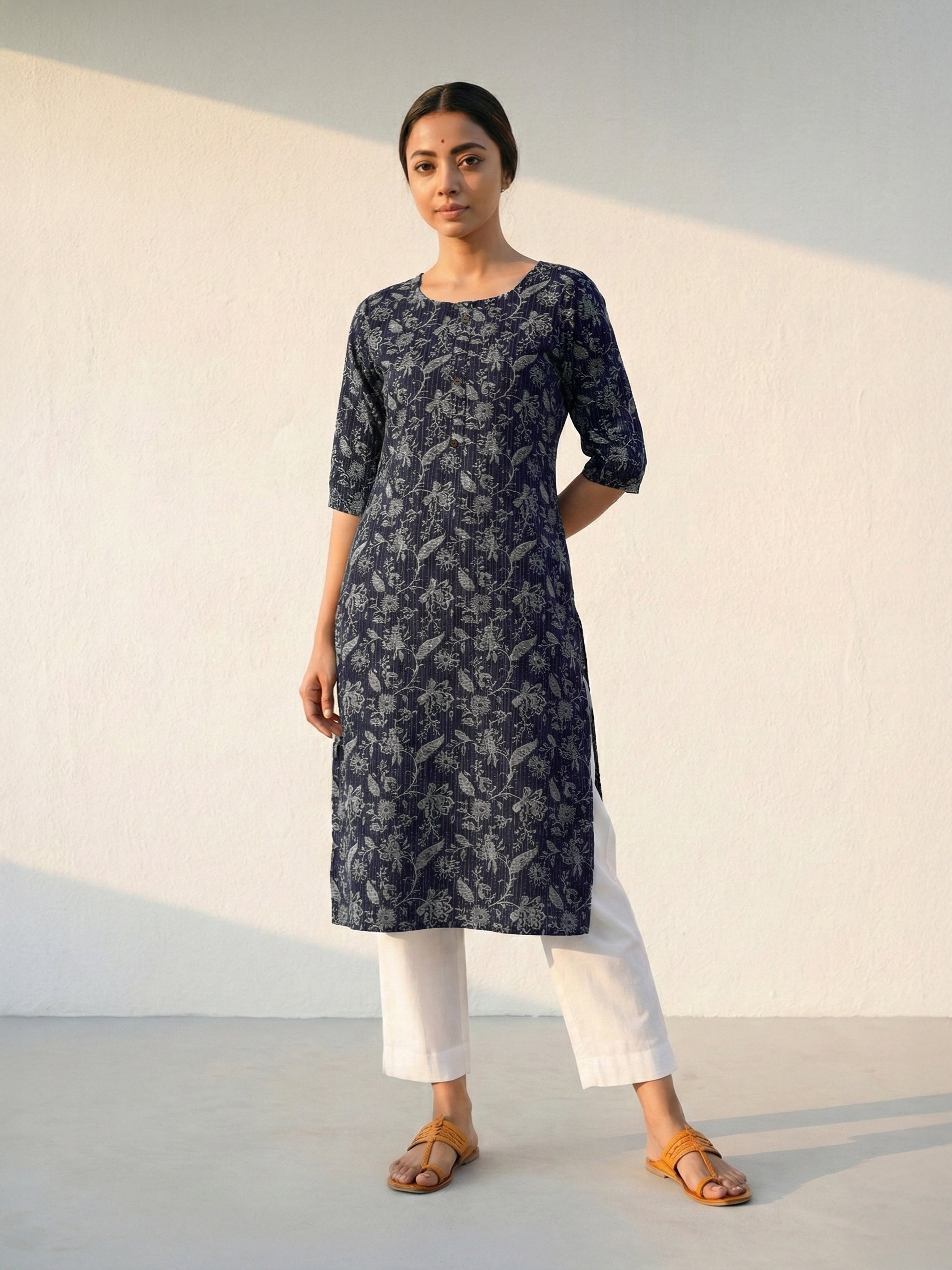
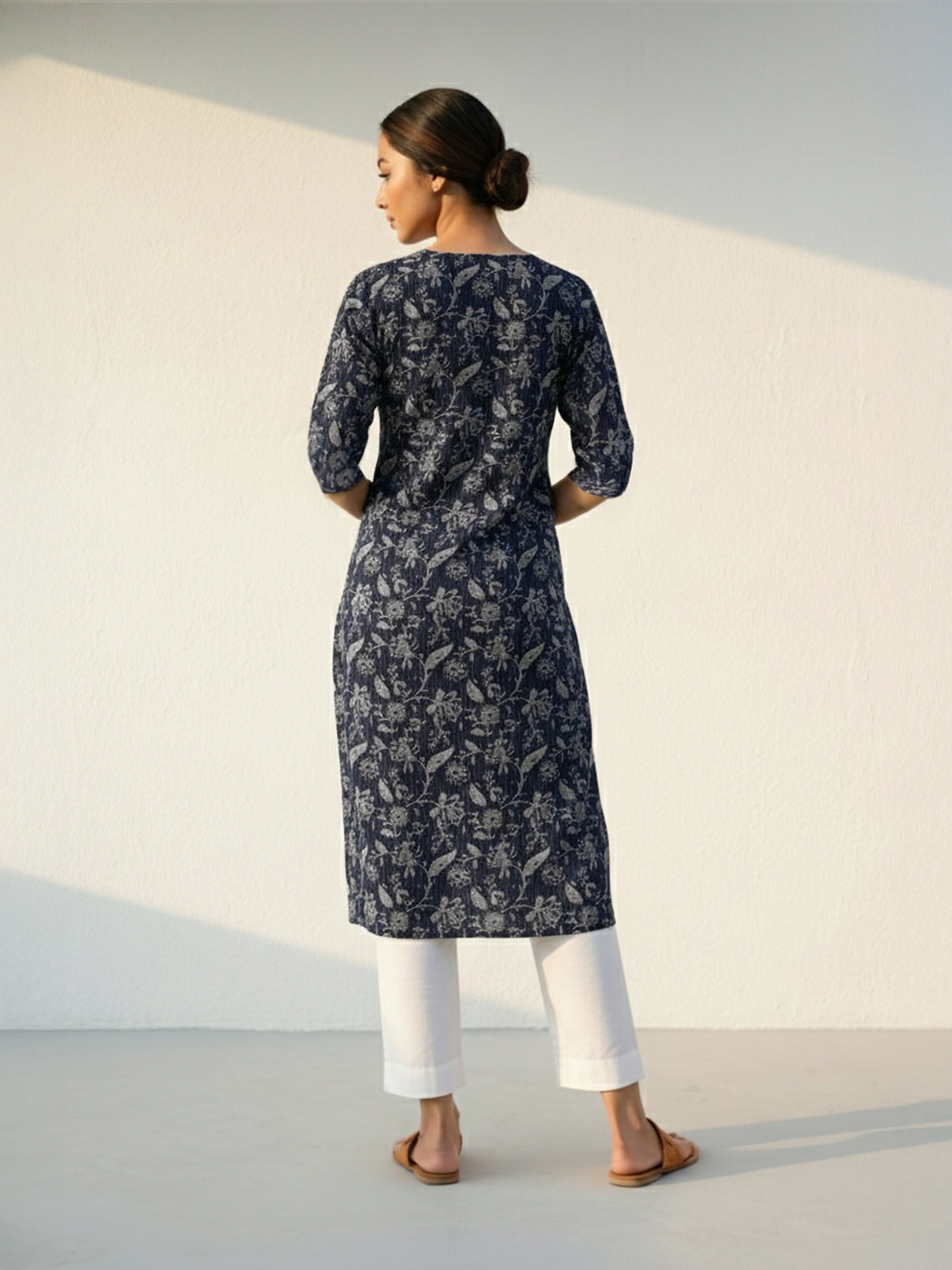
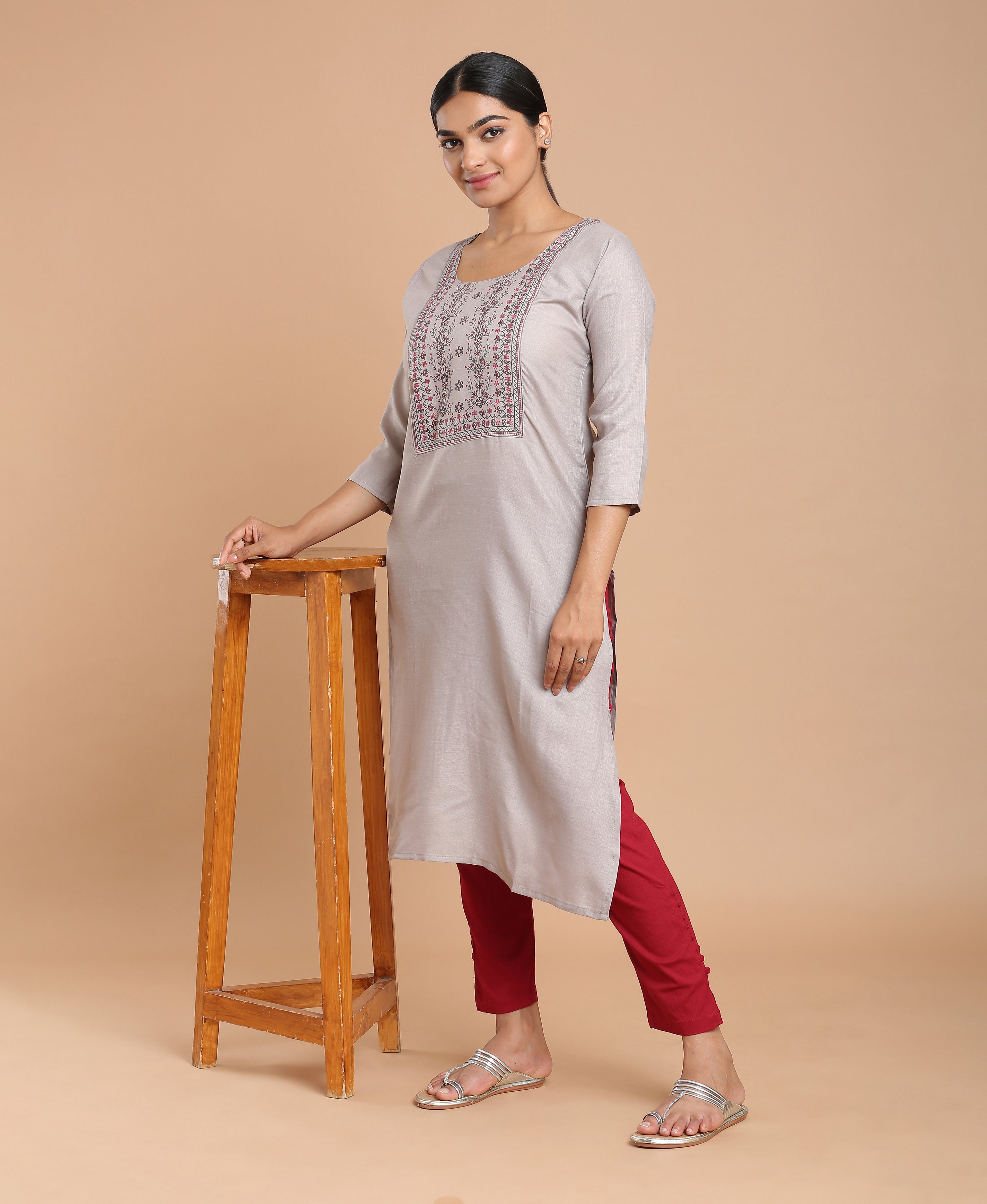
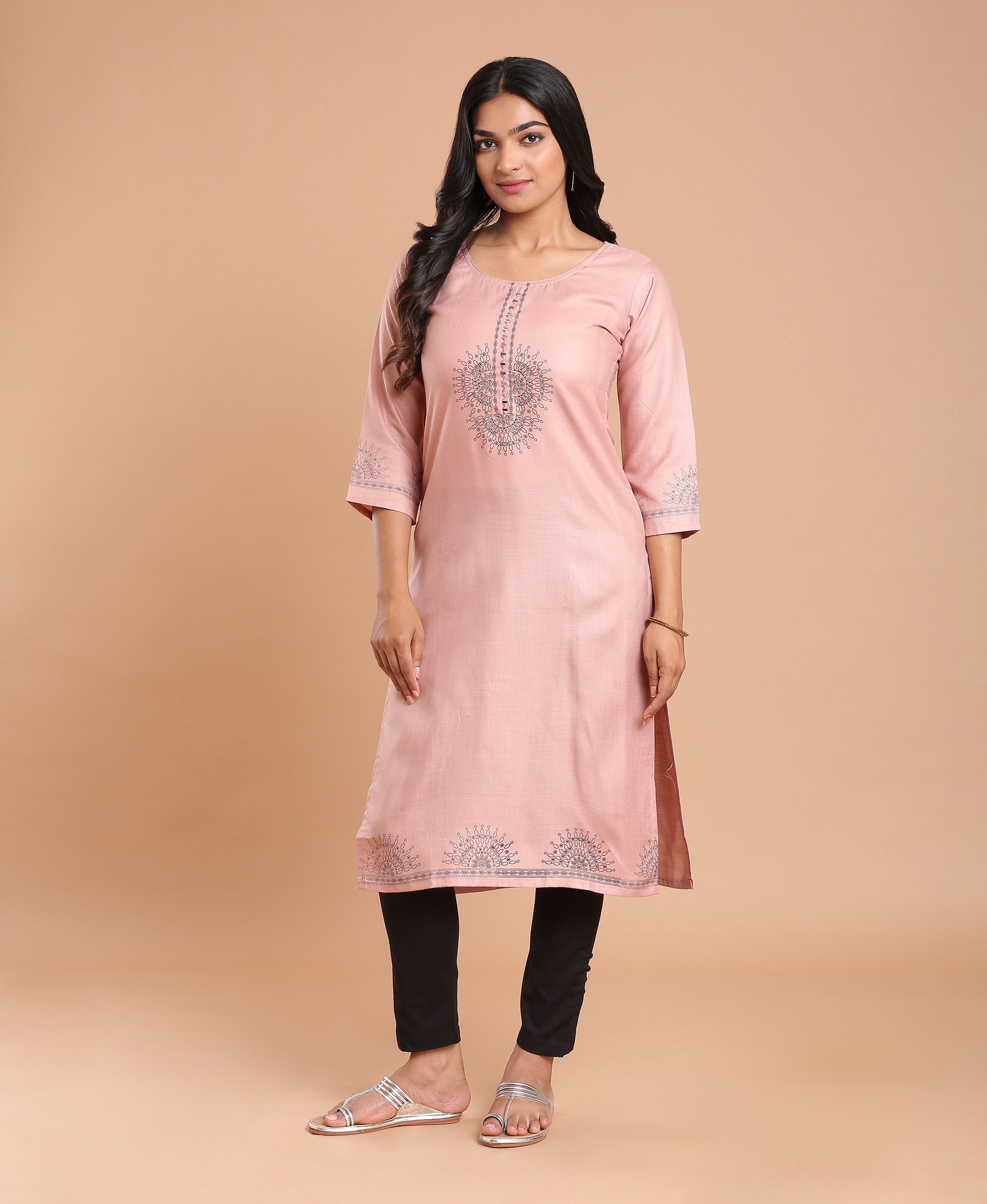
Straight Cut Kurtis: The Most Versatile Silhouette
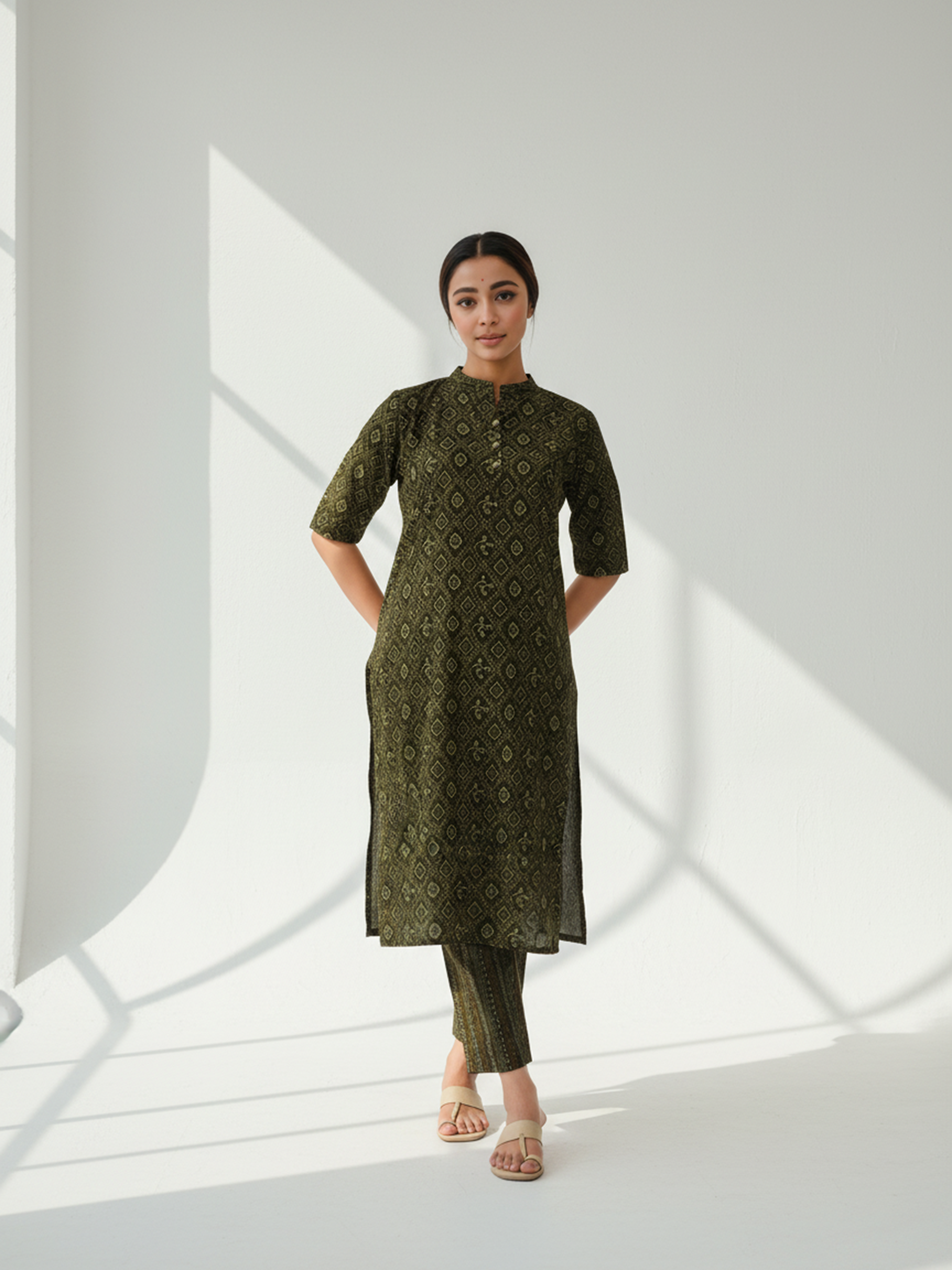
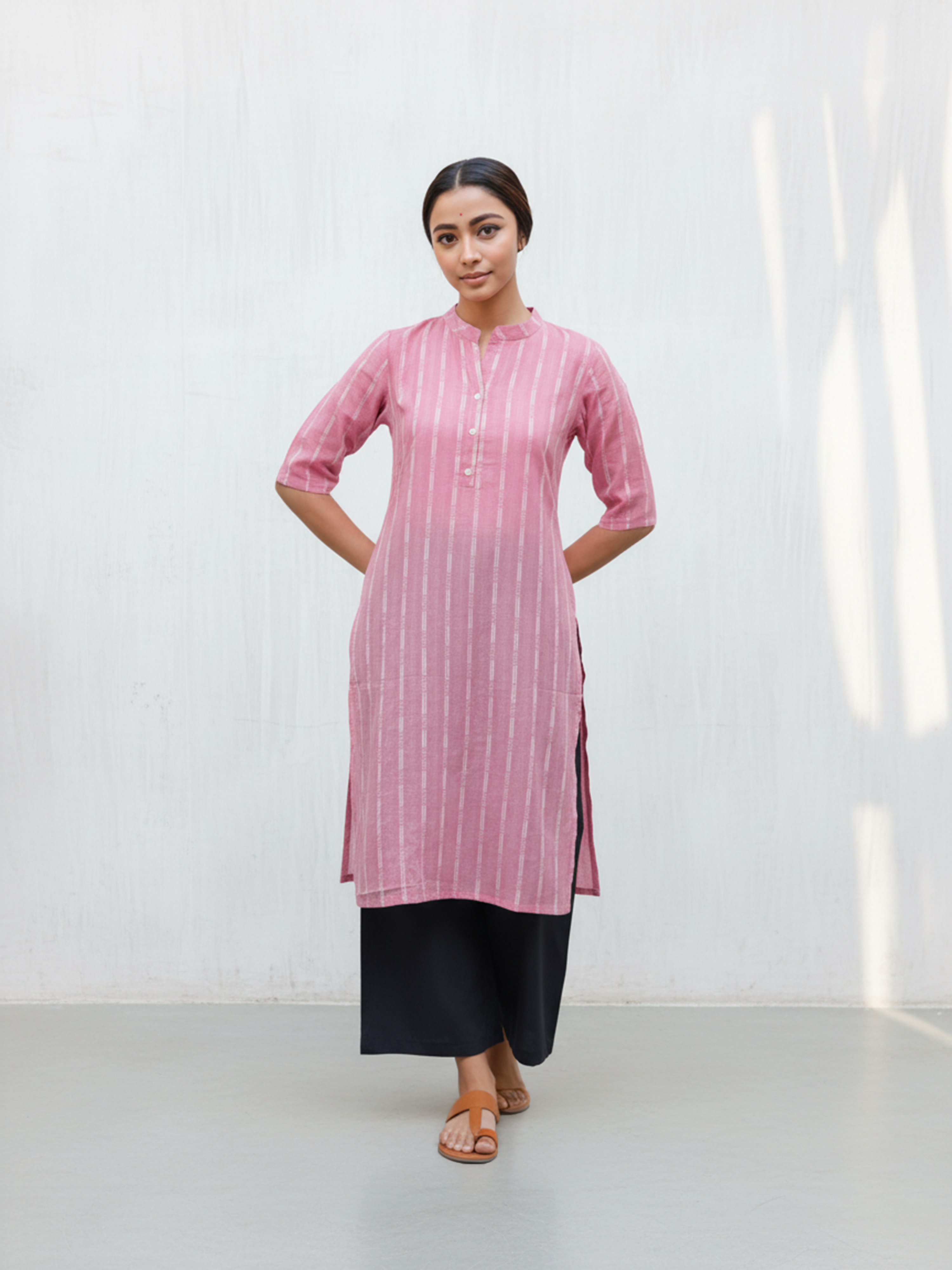
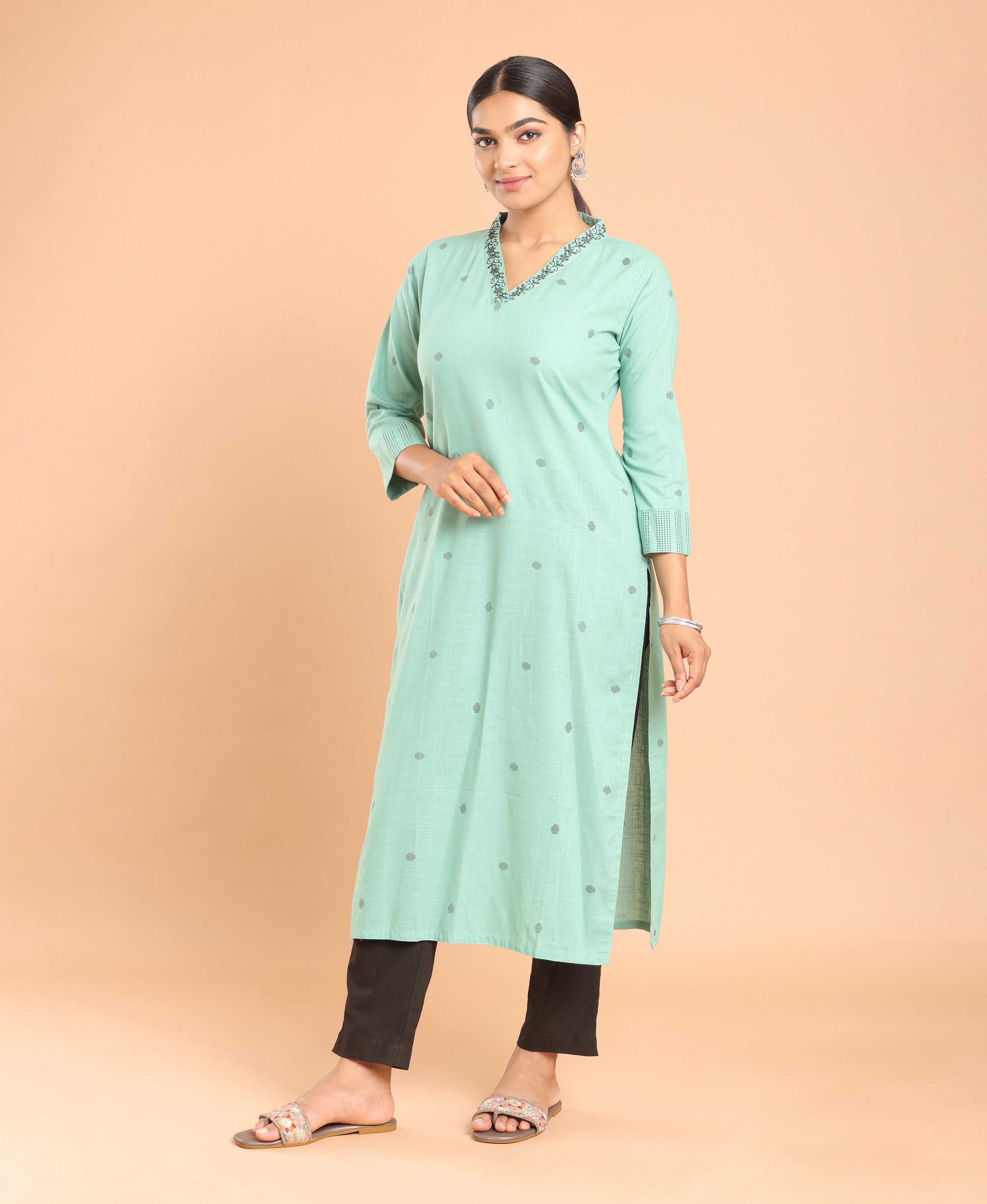
A straight cut kurti falls from shoulder to hem without contouring the waist. It's the most useful silhouette in the category because it pairs cleanly with the widest range of bottoms.
Hip-length straight cut kurtis over jeans for women is the combination that covers urban offices, college campuses, co-working spaces, and casual family occasions without any extra effort. The silhouette reads put-together without being formal, comfortable without reading careless.
Knee-length and below-knee straight cut kurtis work better with leggings, churidars, or cigarette pants for occasions that sit more formally within the ethnic-wear spectrum — religious functions, community gatherings, family weddings.
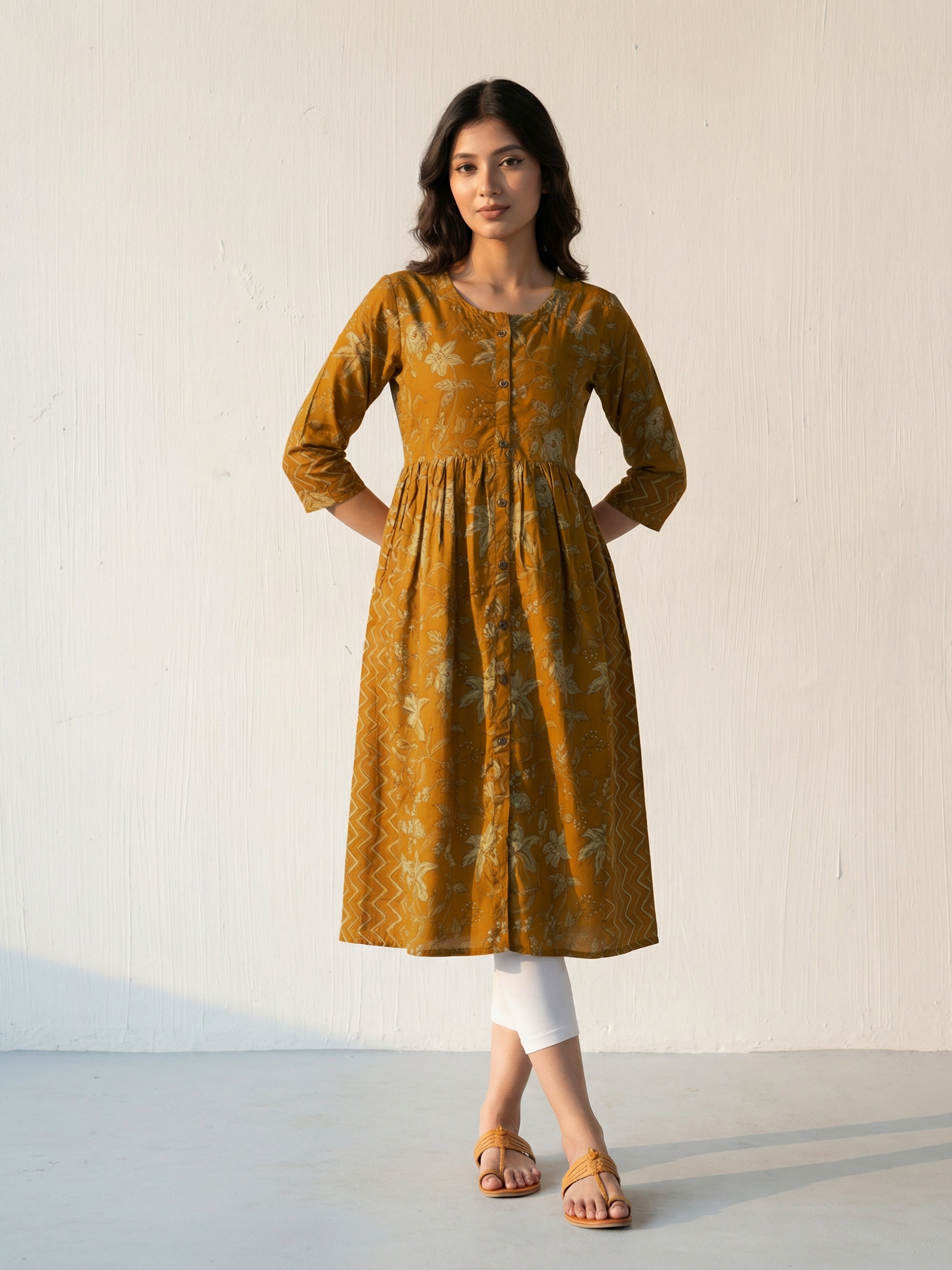
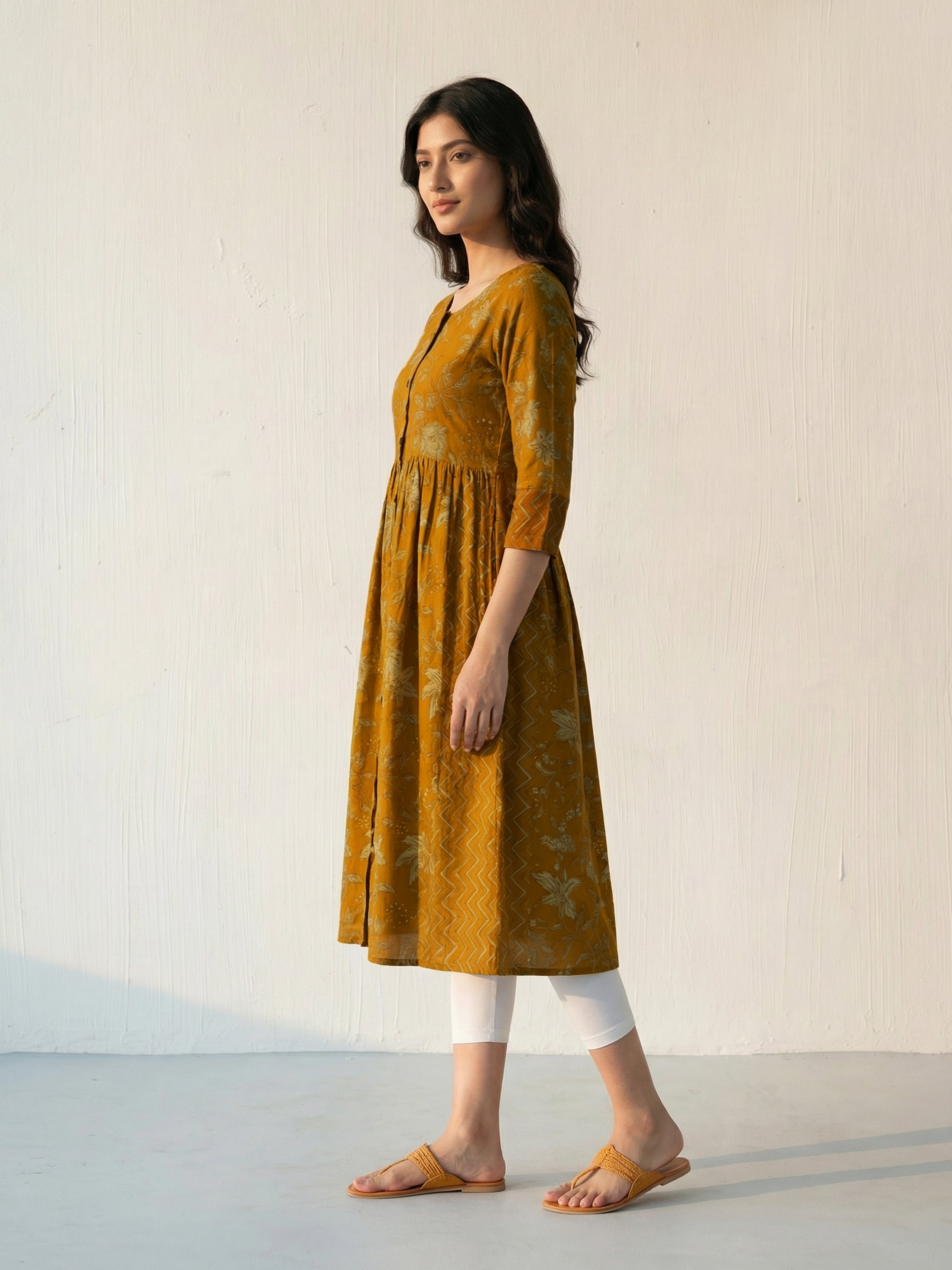
A-Line Kurtis: When You Want More Shape
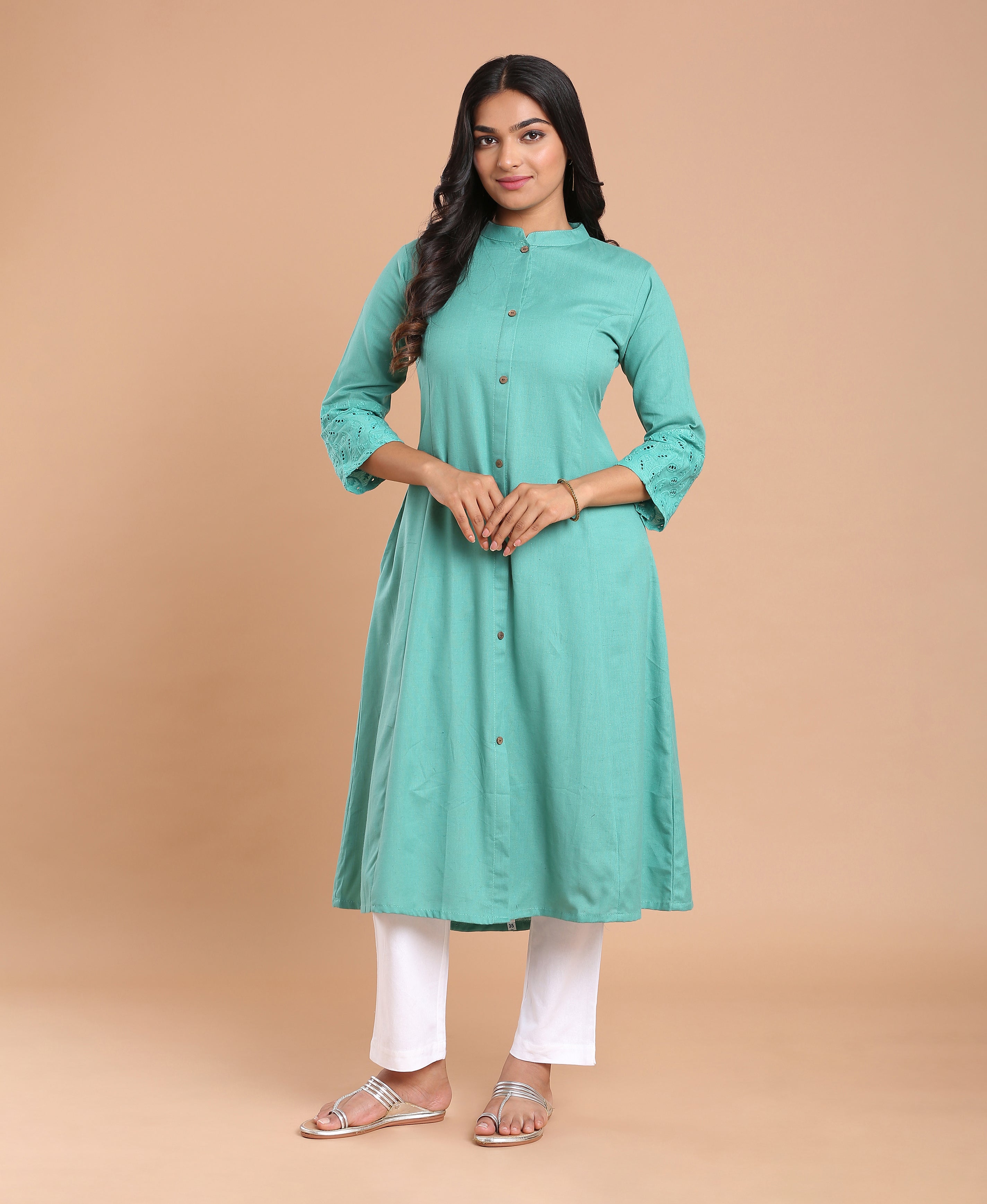
An A-line kurti flares gently from the waist downward. It creates a fuller silhouette that reads more festive and occasion-appropriate than a straight cut — and it's more forgiving through the hip and thigh than a fitted silhouette.
For women who prefer not to think about bottom half fit too precisely, the A-line is the right choice. It works with churidars and leggings for ethnic occasions and still pairs comfortably over trousers for a cleaner fusion look.
Fazyo's A-line kurtis include flex cotton with mandarin collar and ajrakh fusion cuts — both occasion-ready without requiring separate occasion-specific storage.
Princess Cut Kurtis: Fitted With Structure
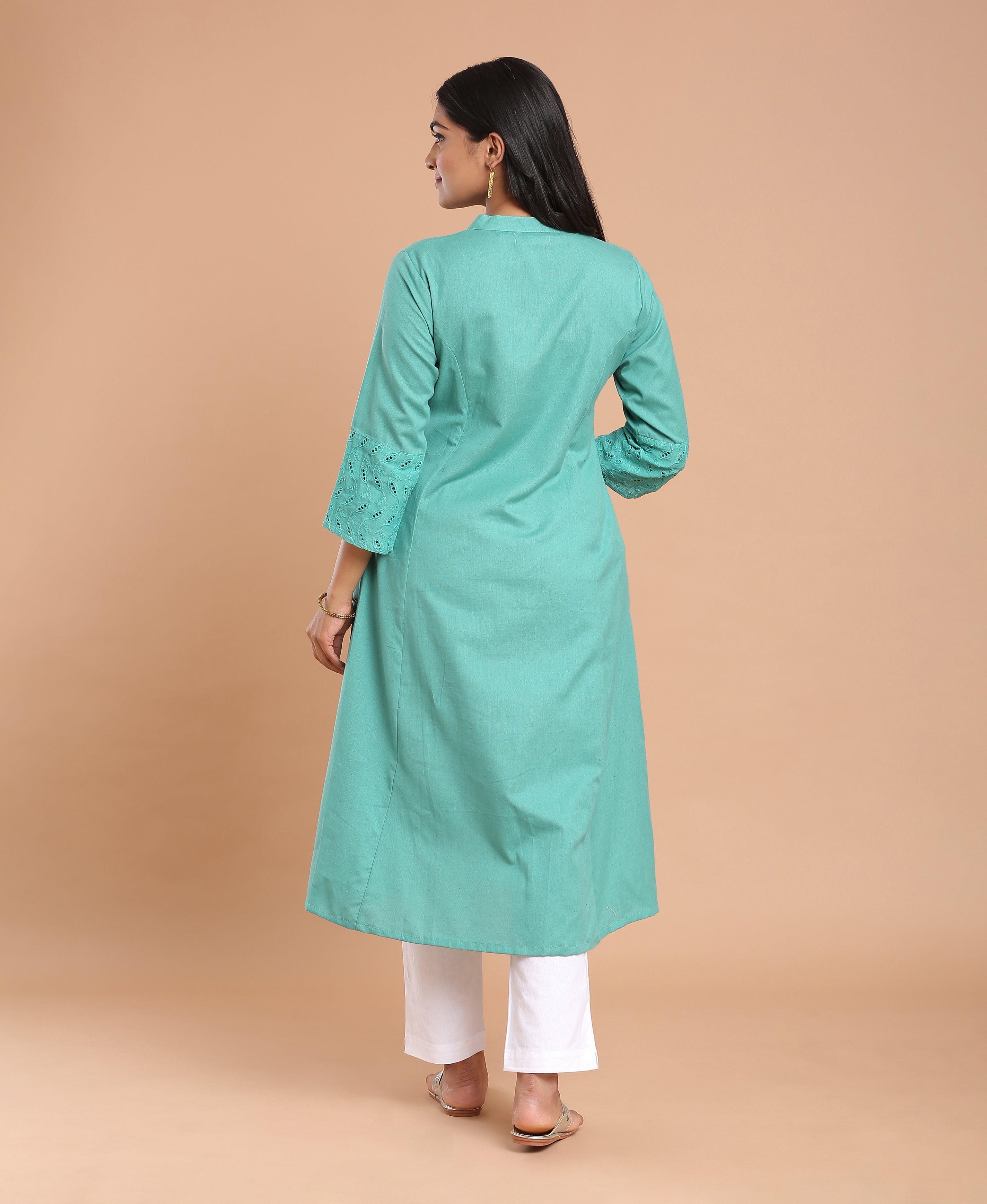
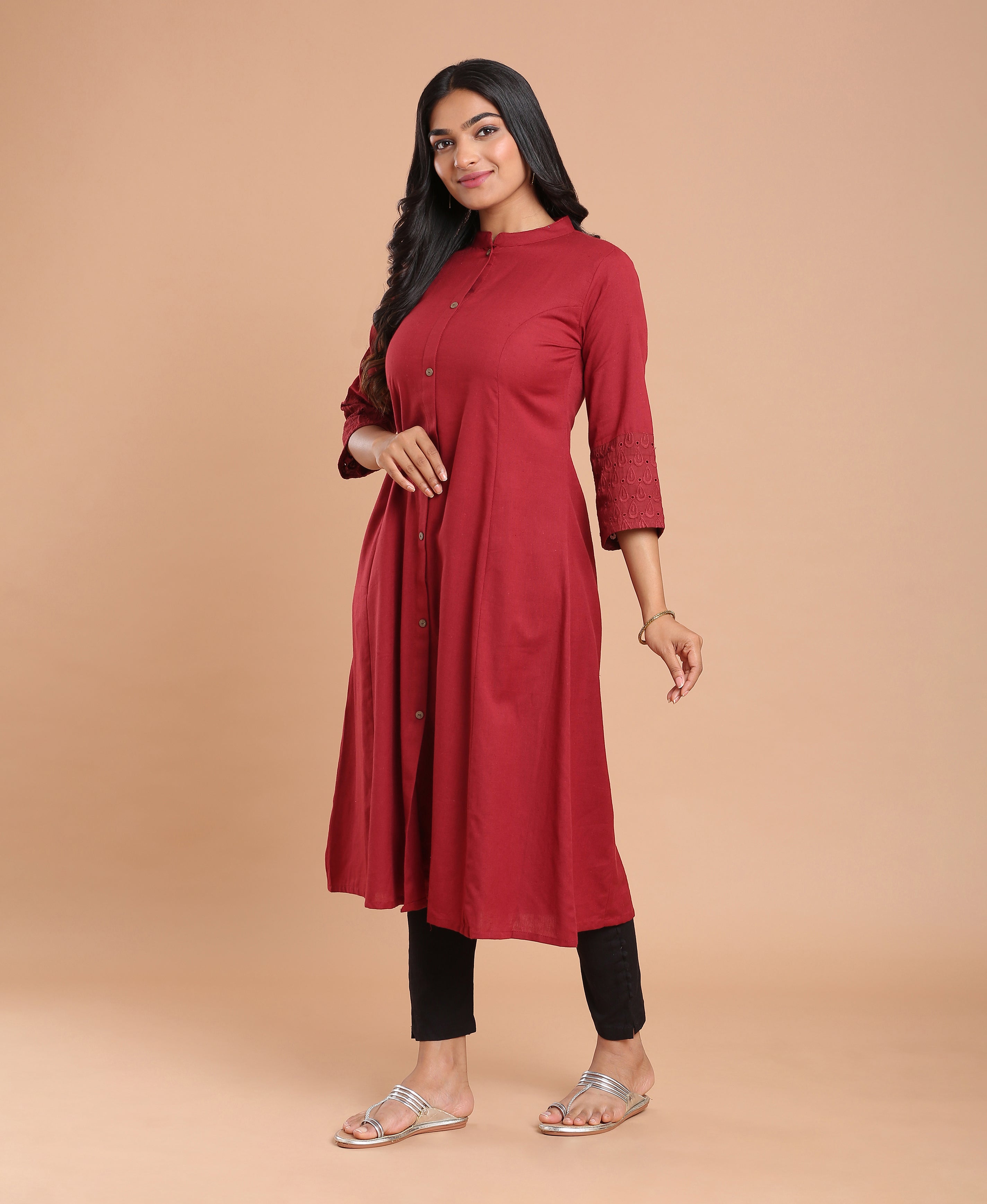
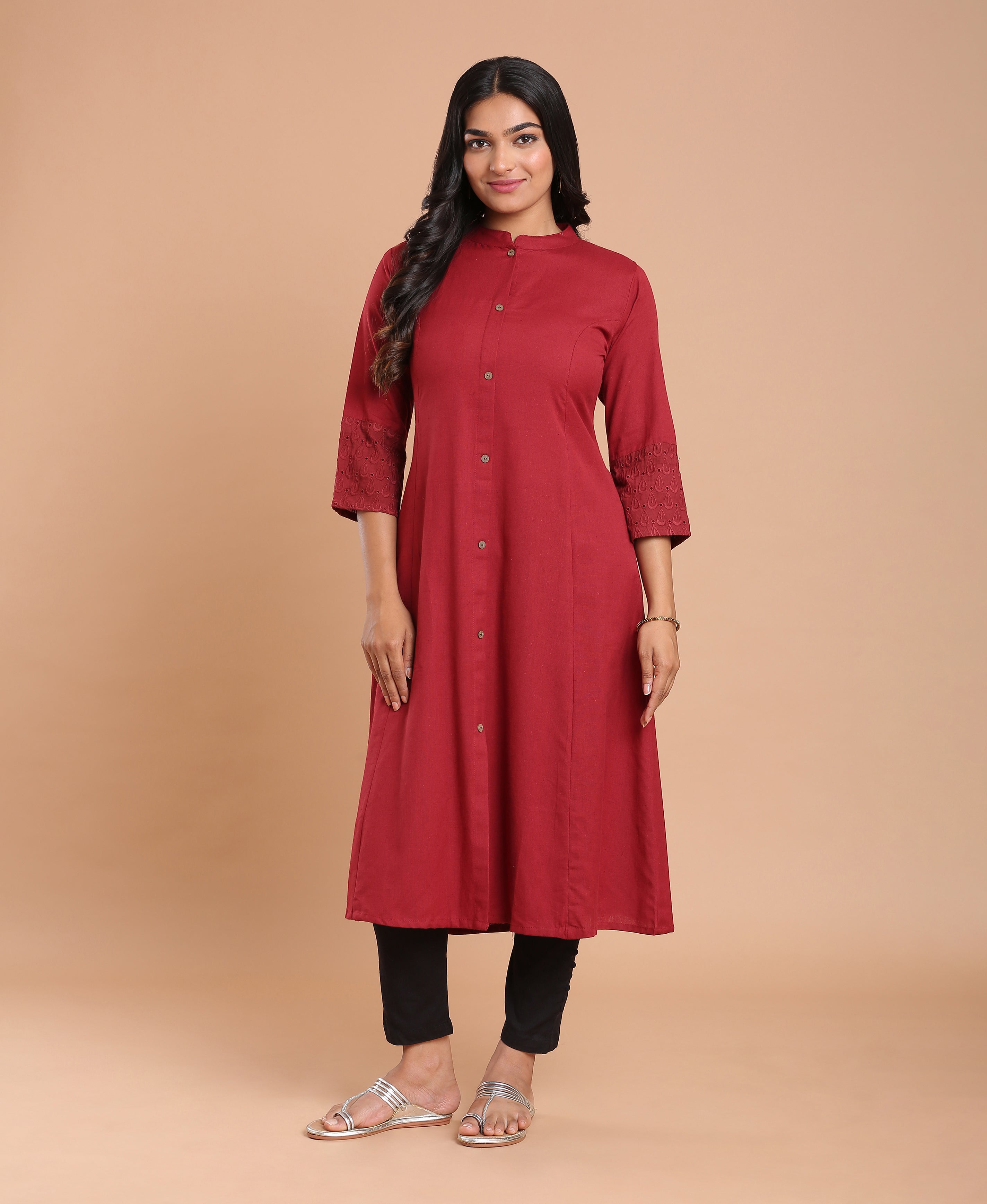
A princess cut kurti is seamed vertically to follow the body's contours — more fitted than a straight or A-line cut, with defined shape through the bust and waist. It reads dressier and works well for events and evenings where you want the kurti to do more work than a casual silhouette would.
The hakoba cotton princess cut kurtis in the Fazyo range — teal and maroon — bring texture and structure together in a cut that works for festive occasions without needing additional layering.
Cotton, Rayon, and Poly Cotton: What Each Fabric Does
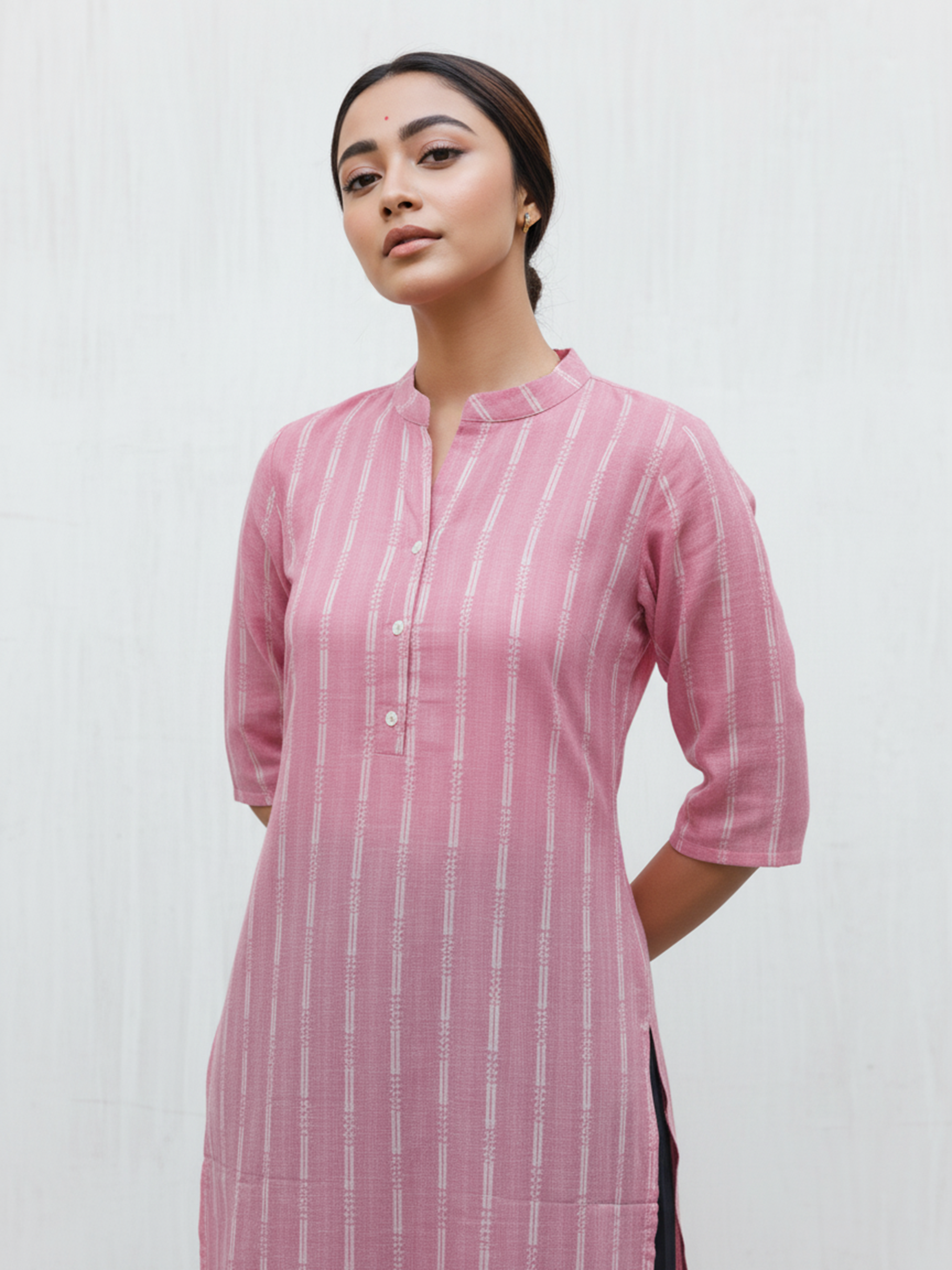
Cotton is the most practical fabric for Indian weather — it breathes, absorbs moisture before it becomes visible, and softens with washing rather than degrading. Most of Fazyo's kurti range is cotton: dobby cotton, hakoba cotton, slub cotton, and standard cotton — each with a slightly different texture and drape.
Rayon drapes more fluidly than cotton and has a slightly smoother finish. It works well for kurtis where you want the fabric to fall softly rather than hold a stiff shape. The magenta rayon kurti in the range is the clearest example of this.
Poly-cotton blends are lighter and wrinkle-resistant — practical for travel and for days when you need the kurti to look as fresh at 7pm as it did at 9am.
Necklines Across the Range
Neckline signals occasion level more than almost any other detail on a kurti.
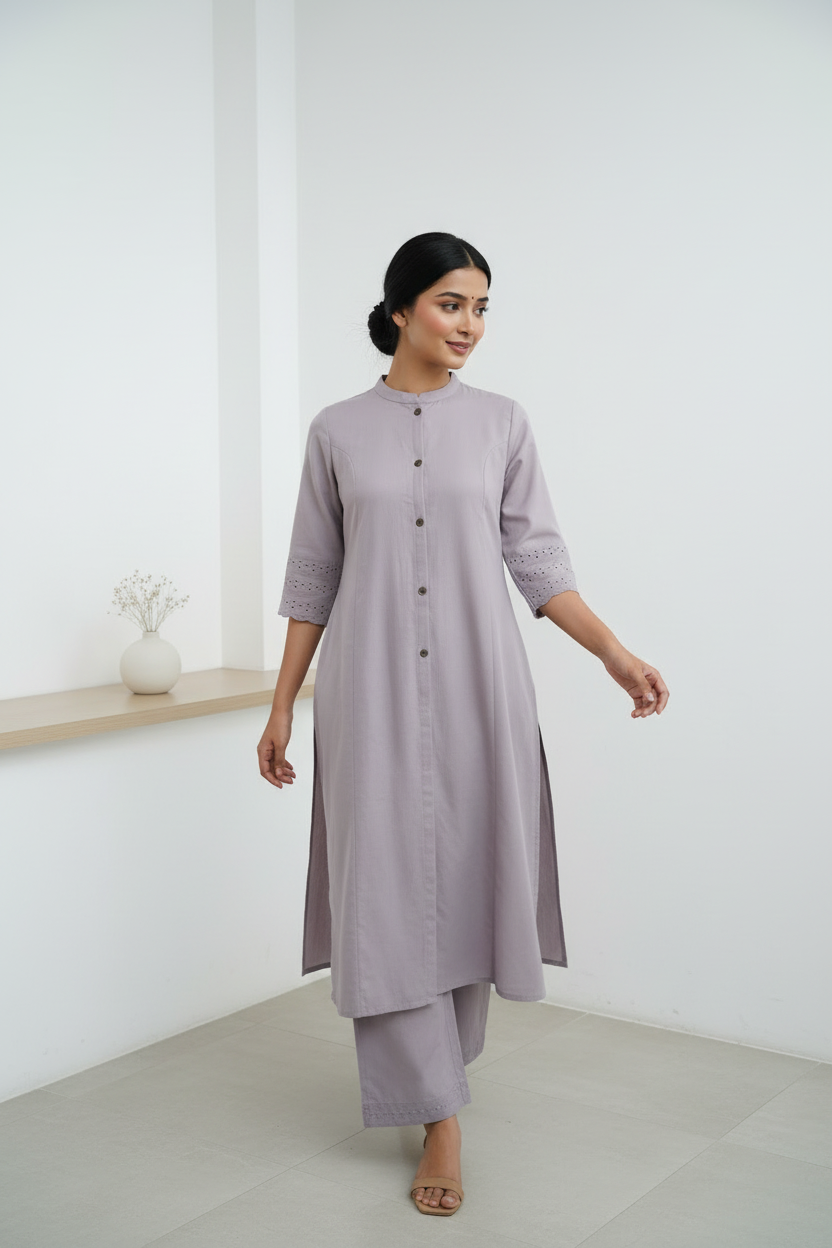
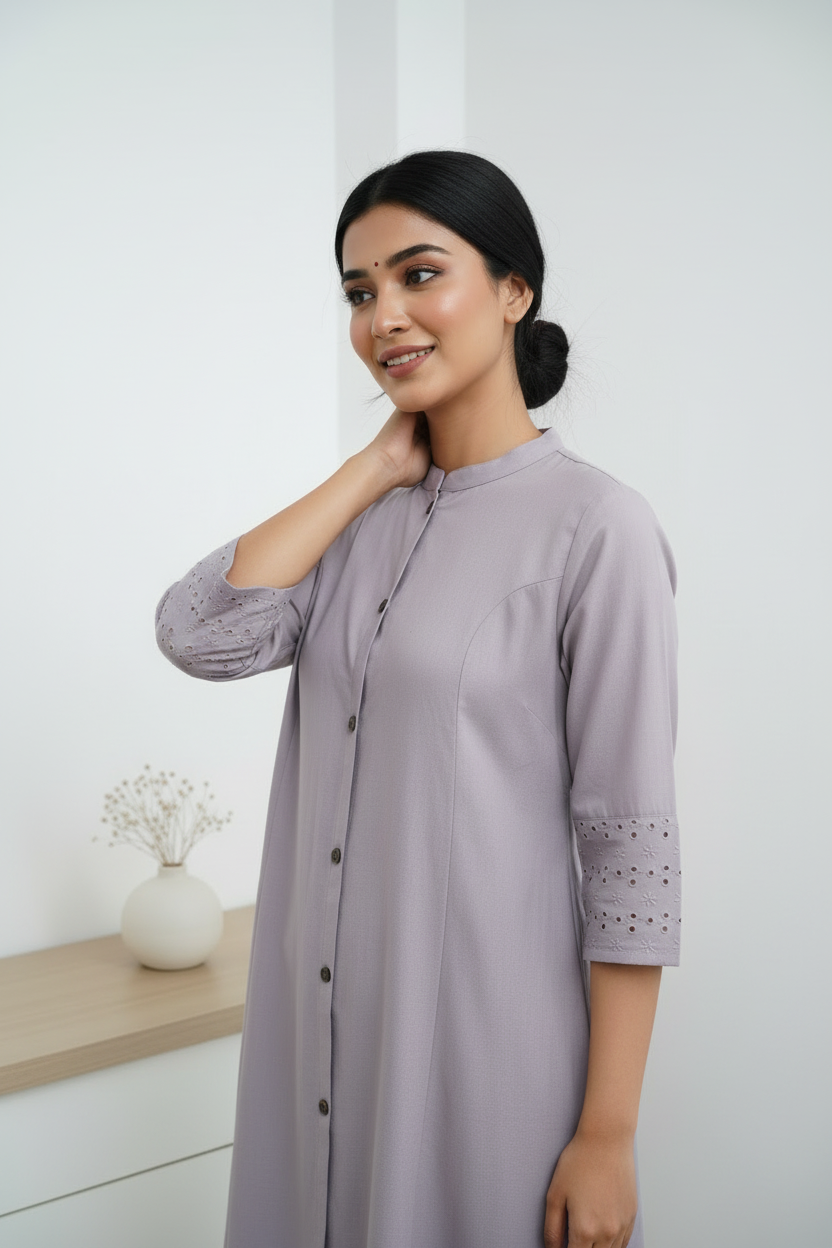
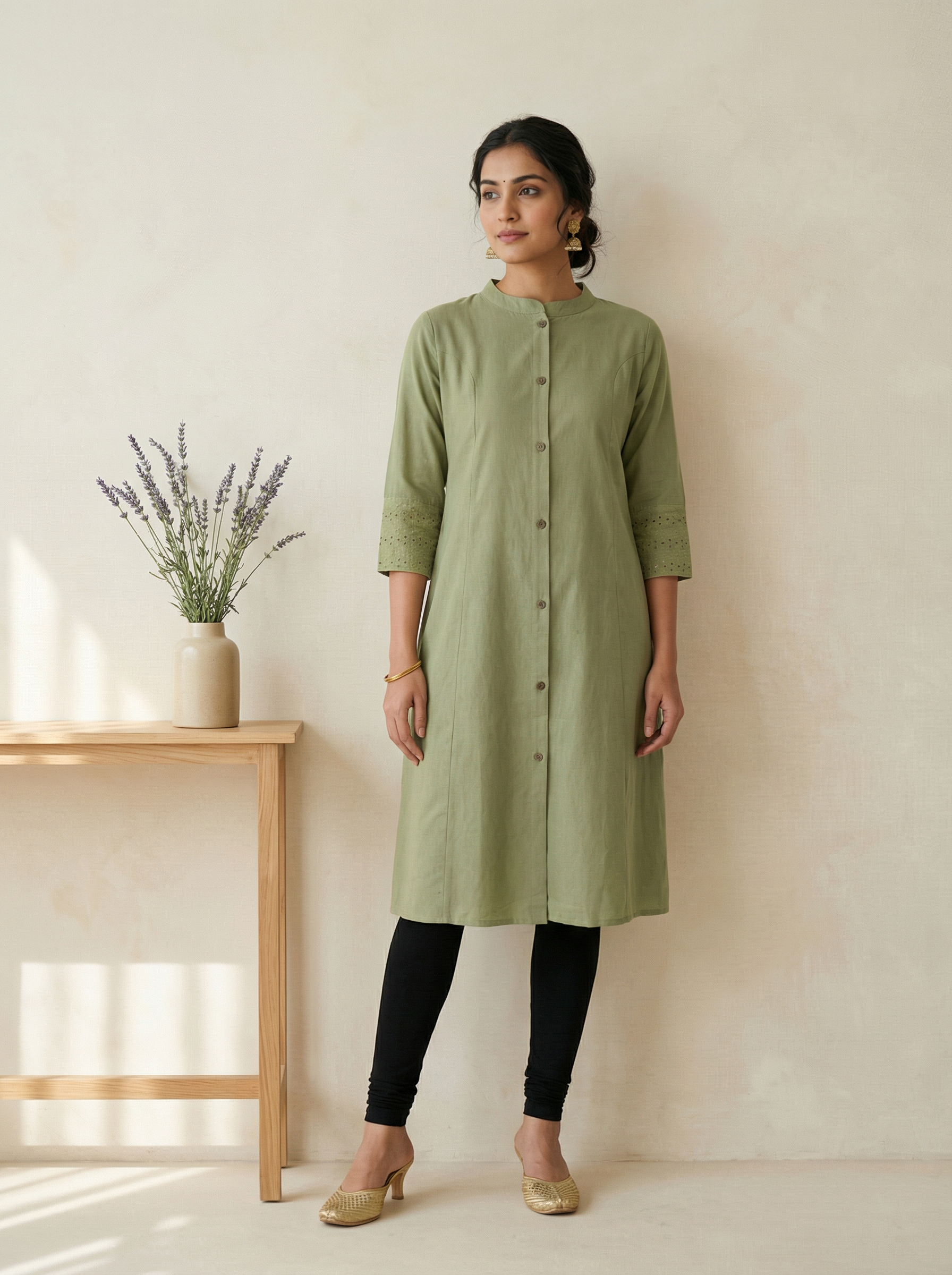
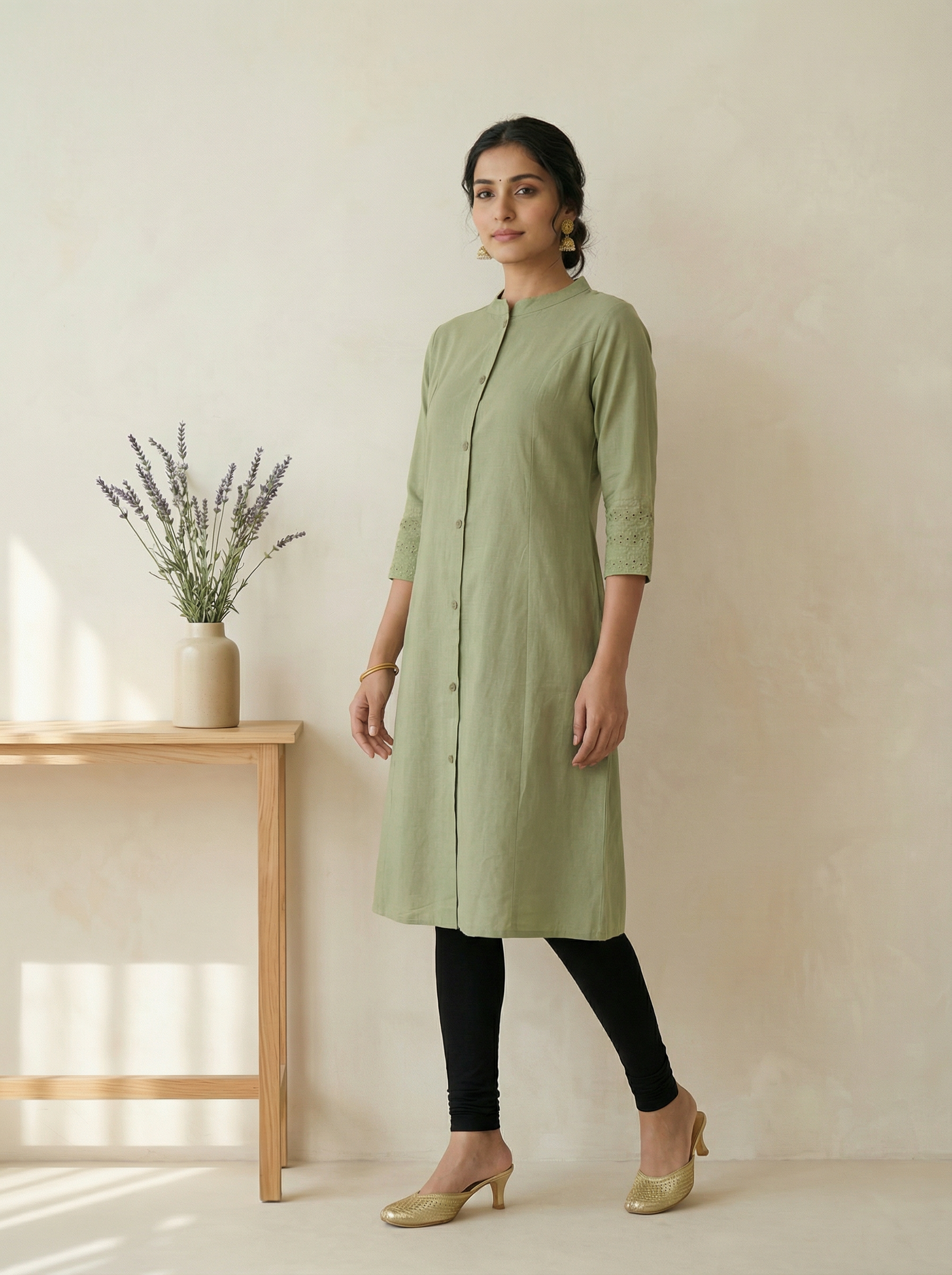
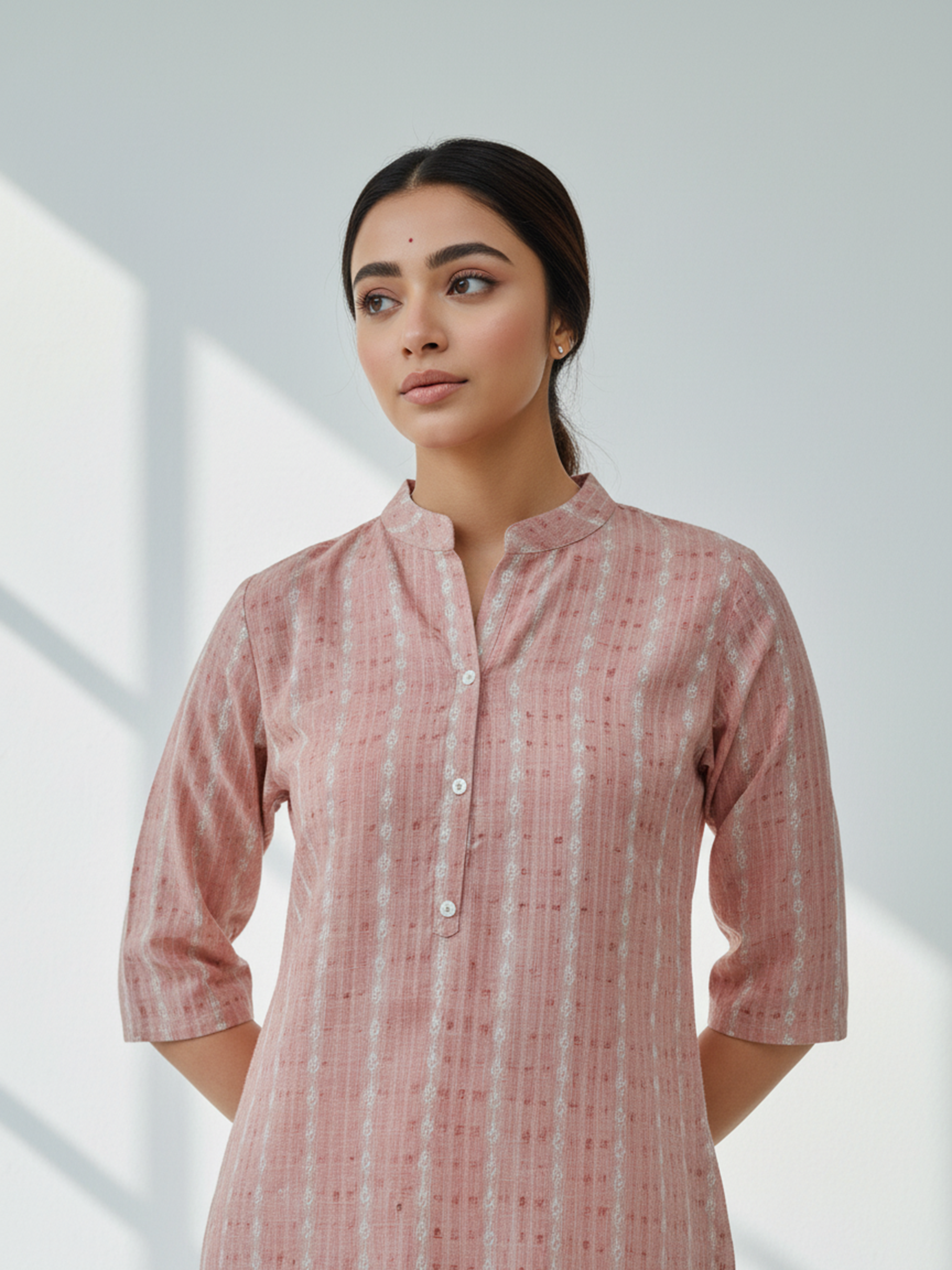
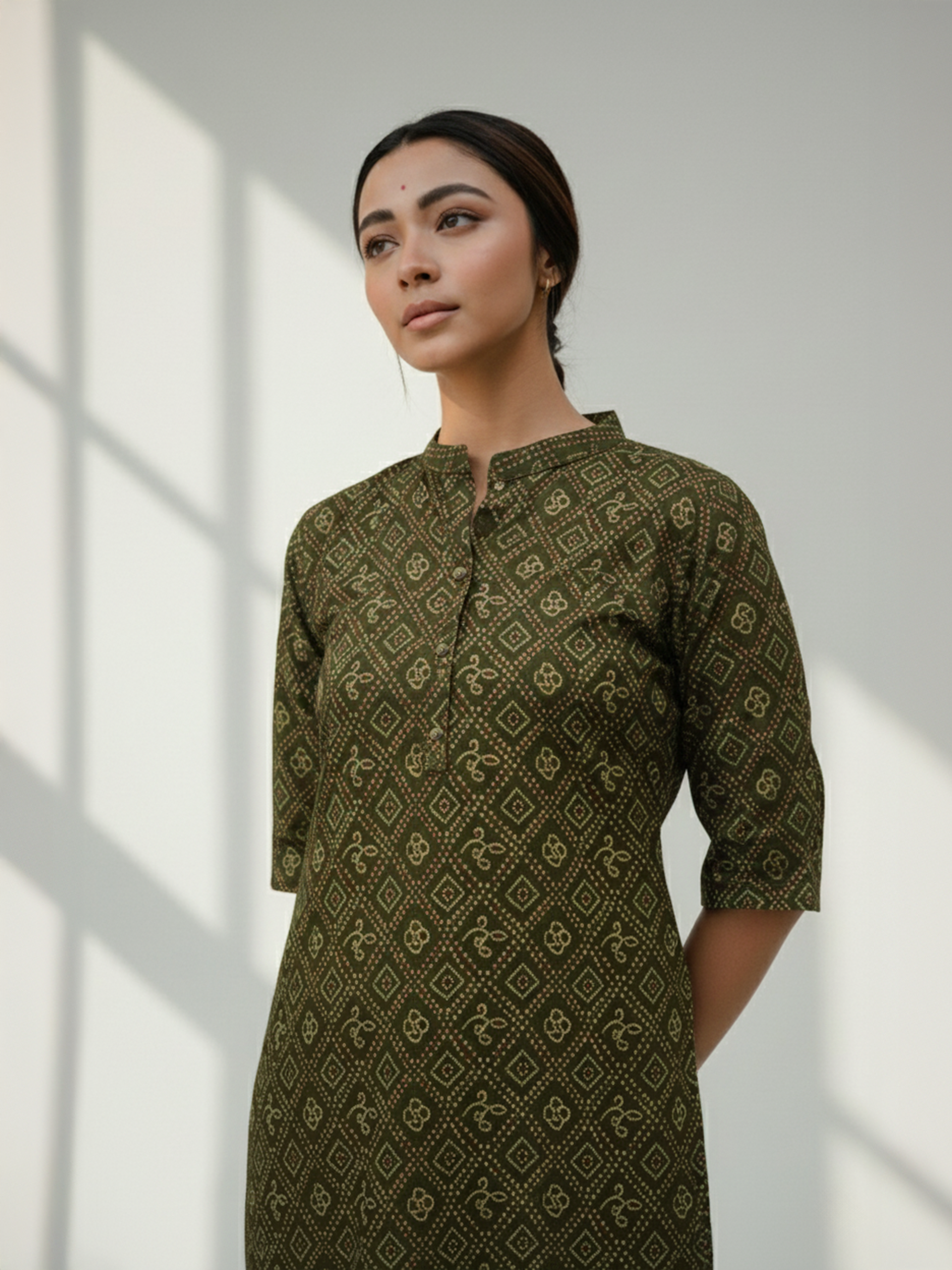
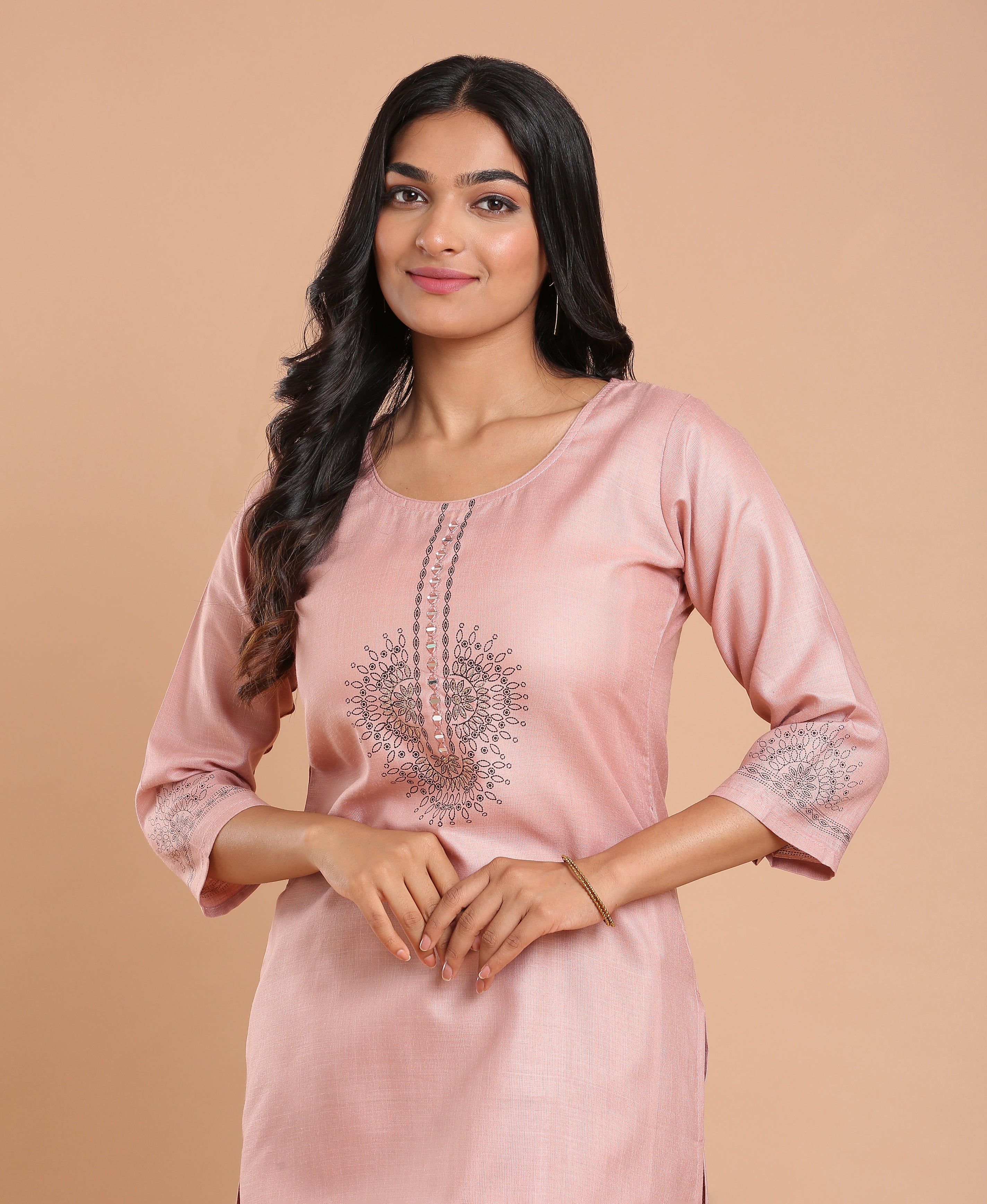
Round neck is the most versatile — clean, works everywhere, no occasion is too casual or too formal for it. Mandarin collar reads more structured and works well for offices and semi-formal settings. Button-down placket reads relaxed and casual. V-neck and keyhole cuts read modern and slightly more fashion-forward.
Fazyo's range covers all of these — round neck, mandarin collar, and button-down cuts across different silhouettes and fabrics.
Prints and Patterns in the Range
Solid kurtis — black, navy, mustard, maroon, grey, olive, rust — are the everyday foundation. They pair with anything, read clean in every setting, and don't compete with patterned bottoms or accessories.
Printed kurtis — ikat, ajrakh, floral, block, and abstract prints — are for when you want the kurti to carry the outfit rather than be the quiet backdrop. The ikat and ajrakh cuts in the range have a crafted quality that reads considered rather than decorative.
Keep both. Use each one for what it's designed for.
What to Wear With Kurtis
Hip-length kurtis pair with jeans, palazzos, and leggings without adjustment. Longer kurtis work better with slimmer bottoms — churidars, leggings, or cigarette pants — where the fabric beneath lays flat without bunching.
Add a shrug over a sleeveless kurti for air-conditioned offices or cooler evenings without changing the outfit entirely. For occasions where a coordinated ethnic look is needed without planning the pairing yourself, the kurti set range has top and bottom designed to be worn together.
For everyday tops and western wear, Fazyo also carries tops for women, t-shirts, and dresses for occasions where a kurti isn't the right call.
Care for Cotton Kurtis
Wash in cold water, gentle cycle. Air dry on a hanger rather than in a tumble dryer — machine drying is the most common cause of shrinkage in cotton kurtis. Wash inside out to preserve print quality and color. Iron on medium heat while slightly damp for the cleanest finish.
Frequently Asked Questions
Which kurti length looks best with jeans?
Hip-length and slightly above-hip kurtis pair best with jeans — they show enough of the jean below the hem to read as a deliberate combination. Longer kurtis below the knee need slim-fit jeans where the fabric lays flat without bunching at the ankle.
What is the difference between straight cut and A-line kurti?
A straight cut kurti falls in a straight line from shoulder to hem without contouring the body. An A-line kurti flares gently from the waist downward, creating a fuller silhouette. Straight cut is more versatile for daily wear; A-line is more forgiving on the hip line and reads more festive.
Which kurti fabric is best for summer?
Cotton — dobby cotton, hakoba cotton, and slub cotton — is the most breathable for Indian summers. It absorbs moisture before it becomes visible and keeps the body cooler than synthetic fabrics. Rayon drapes more softly but is slightly less breathable than cotton.
What is a princess cut kurti?
A princess cut kurti has vertical seams that follow the body's contours, creating a fitted shape through the bust and waist. It's more tailored than a straight or A-line cut and works for occasions where you want the kurti to look more dressed up.
How do I stop my cotton kurti from shrinking after wash?
Wash in cold water on a gentle cycle and air dry on a hanger. Machine drying is the most common cause of shrinkage in cotton — the heat contracts the fibers unevenly. Avoid wringing the fabric; let it drip dry or press gently with a towel before hanging.